




05 Nov Why Women’s Leadership Matters in Climate Change Adaptation
Climate change affects different members of a community in different ways. In rural Tonga, changes in rainfall, prolonged dry periods, coastal erosion and extreme weather can affect household food production, water access and livelihoods. Women often carry significant responsibilities in managing these areas, yet their knowledge and experiences are not always reflected in community planning and climate-related decisions.
Women’s participation in climate change adaptation is therefore important, not only as a matter of gender equality but also because their experiences can help communities identify risks and develop practical responses.
Women’s knowledge contributes to climate adaptation
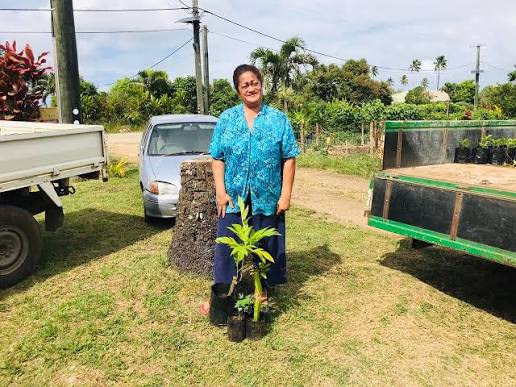
In many rural households, women play an important role in growing food, managing home gardens, preparing meals and maintaining household water supplies. These responsibilities provide practical knowledge of how environmental changes affect daily life.
For example, changes in rainfall can affect planting schedules, crop production and the availability of water for household use. Women who manage home gardens may recognise changes in soil conditions, identify crops that are better suited to drier periods and adapt planting practices to maintain food production.
This knowledge can contribute to community discussions about agricultural adaptation, water conservation and food security. Recognising women’s experience alongside scientific information can help ensure that adaptation measures respond to local conditions.
From participation to decision-making
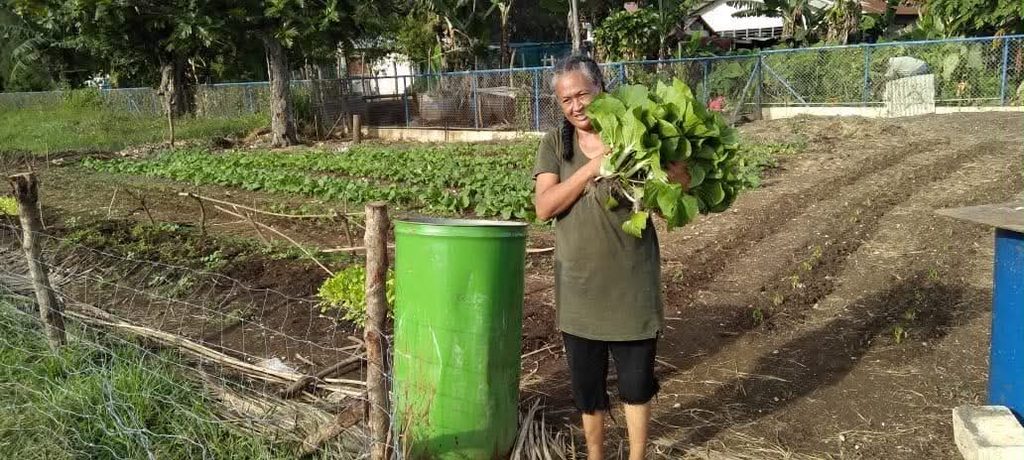
Although women contribute to household and community adaptation, they may have fewer opportunities to influence decisions about land, natural resources, infrastructure and development priorities.
Being invited to attend a community meeting does not necessarily mean women have an equal opportunity to influence its outcomes. Meeting arrangements, household responsibilities, social expectations and established leadership structures can all affect their participation.
Meaningful participation requires women to have opportunities to raise concerns, contribute ideas and take part in decisions about how community resources are used. This includes representation in village committees, climate adaptation planning and the management of community development projects.
Creating opportunities for women’s leadership
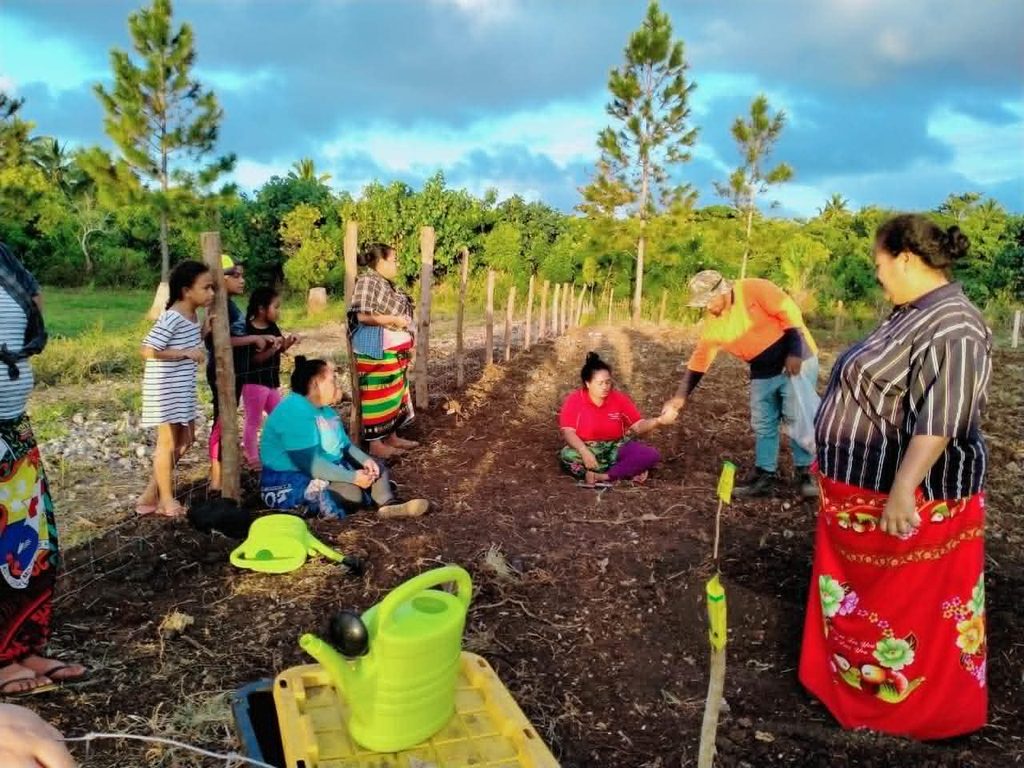
Strengthening women’s leadership requires more than encouraging attendance at meetings. Communities and development organisations can take practical steps to support women’s involvement in decision-making.
These include:
- Providing opportunities for women to hold leadership positions in community committees.
- Scheduling meetings at times and locations that allow women to participate.
- Supporting women’s access to climate information, technical training and financial resources.
- Involving women’s groups in identifying community priorities and developing adaptation activities.
- Ensuring women have a role in monitoring and evaluating community projects.
Men and traditional community leaders also have an important role in supporting inclusive decision-making and addressing barriers that limit women’s participation.
Making climate adaptation more inclusive
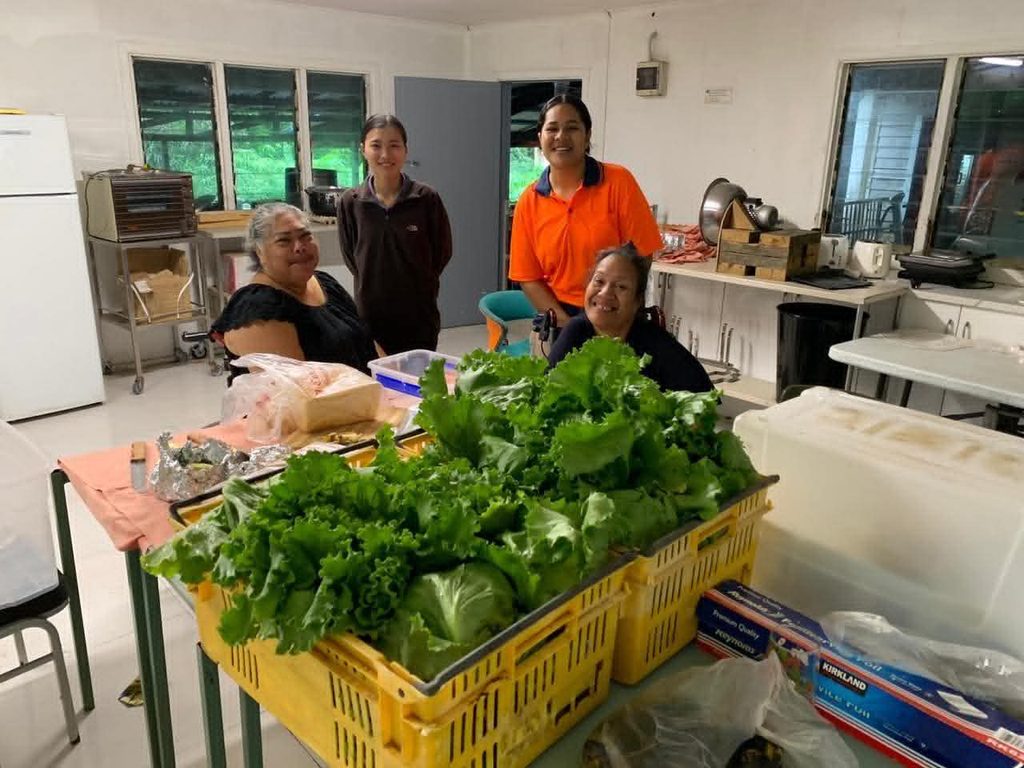
Climate adaptation measures are more likely to address local needs when the people affected by climate change have a meaningful role in shaping them. Women’s leadership brings additional knowledge and perspectives to decisions about food production, water management, natural resource protection and household livelihoods.
For communities across Tonga, recognising women’s contributions and strengthening their influence in local planning can help ensure that climate adaptation responds to the needs of the wider population.
Women’s leadership should not be treated as an additional component of climate projects. It should be part of how communities identify risks, establish priorities and make decisions about their future.
Sorry, the comment form is closed at this time.