





30 Oct Cyclone Preparation: A Practical Disaster Preparedness Guide for Tongan Families
Tonga’s tropical cyclone season generally runs from November to April. During this period, communities face the risk of destructive winds, heavy rainfall, flooding, coastal inundation and disruptions to essential services such as electricity, water and transportation.
For rural households, the impacts can extend well beyond damage to homes. Cyclones can destroy home gardens, damage agricultural crops, contaminate water supplies, disrupt livelihoods and affect access to food and essential services.
Although cyclones cannot be prevented, their impacts can be reduced through early preparation and collective community action. Every household has a role to play in protecting lives, securing essential supplies and looking after those who may need additional support.
Here are practical steps that families can take before, during and after a cyclone.
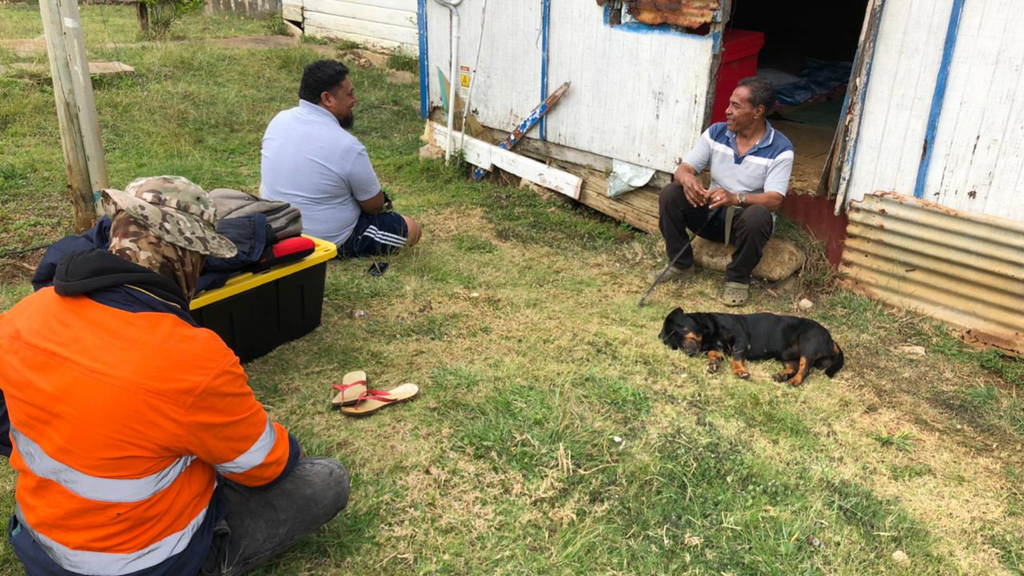
1. Prepare your home before cyclone season
Preparing your home early gives you more time to identify potential hazards and make necessary repairs before severe weather approaches.
What you can do:
- Inspect your roof, walls, doors and windows. Repair loose roofing iron, damaged structures and broken window shutters.
- Check that doors and windows can close and secure properly.
- Trim branches that could fall onto your house, but only where it is safe to do so.
- Clear gutters and drains of leaves, rubbish and other debris to allow rainwater to flow freely.
- Secure outdoor items such as garden tools, rubbish bins, loose roofing materials and furniture that could become dangerous in strong winds.
- Identify the safest room in your house, preferably away from windows and external doors.
- If your house is not structurally safe, identify an appropriate evacuation shelter before cyclone warnings are issued.
Do not wait until a cyclone is approaching to repair your home. Small maintenance activities completed early can help reduce damage when strong winds arrive.
2. Prepare an emergency kit for your family
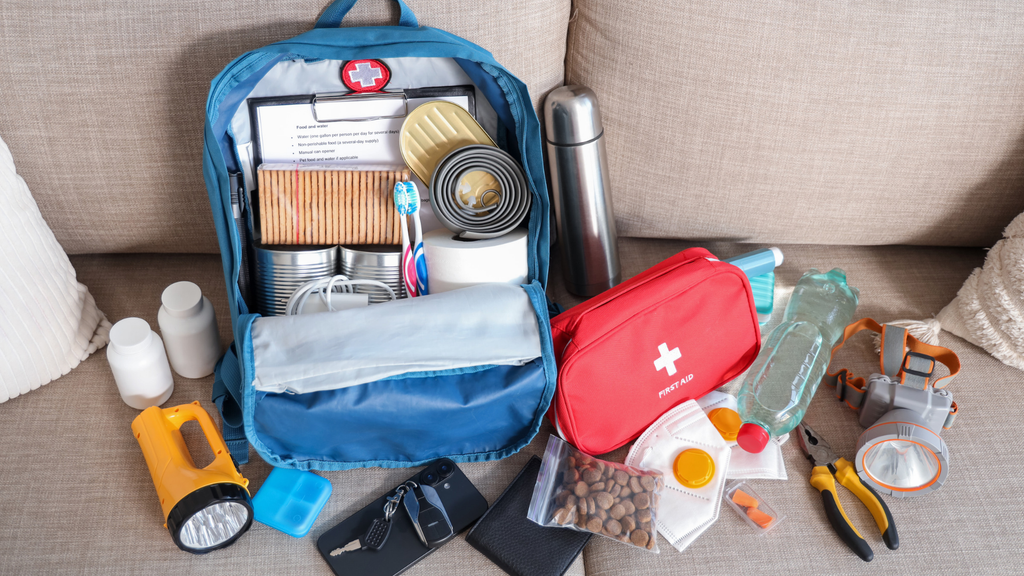
When a cyclone approaches, shops may close, transportation may be disrupted and electricity supplies may be interrupted. Having essential supplies ready can help your family manage during the first few days of an emergency.
Prepare an emergency kit and keep it somewhere accessible and protected from water.
Your household emergency kit should include:
- Drinking water stored in clean, covered containers.
- Non-perishable food such as canned goods, rice, crackers and other foods that do not require refrigeration.
- A manual can opener.
- A first-aid kit and essential medicines.
- A torch or flashlight with spare batteries.
- A battery-powered or hand-crank radio.
- Fully charged mobile phones and a power bank.
- Personal hygiene supplies, including soap, sanitary products and toilet paper.
- Basic clothing, waterproof footwear and blankets.
- Cash in small denominations where possible.
- Important documents, including identification, insurance and medical information, stored in waterproof bags.
- Essential supplies for babies, older people and persons with disabilities.
- Supplies for household animals and livestock where relevant.
Remember to check your emergency kit regularly. Replace expired food, check batteries and ensure essential medicines are available.
3. Protect your drinking water supply
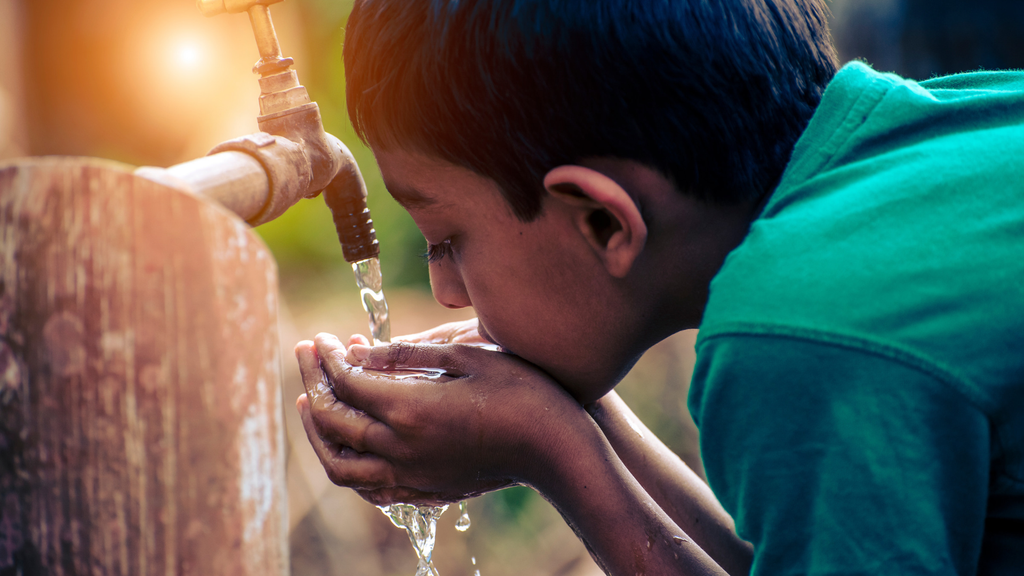
Access to safe drinking water is particularly important during and after a cyclone. Heavy rainfall and flooding can contaminate household water supplies, while damage to infrastructure may interrupt access to safe water.
Tongan households that rely on rainwater harvesting should take extra care to protect their tanks and collection systems.
Before a cyclone:
- Check your water tank for cracks, leaks and damaged connections.
- Ensure tanks have secure lids to prevent debris, animals and insects from entering.
- Clean roof catchments and gutters so they are free from leaves and other debris.
- Store additional drinking water in clean, covered containers.
- Keep water storage containers away from chemicals and other contaminants.
- Identify an alternative safe water source in case your household supply becomes contaminated.
After a cyclone:
- Check your tank and surrounding area for damage or possible contamination.
- Do not assume collected rainwater is safe to drink simply because it looks clean.
- If flooding or contaminated runoff may have entered your water supply, avoid drinking it until it has been assessed and treated appropriately.
- Follow Ministry of Health and local authority advice on boiling, disinfecting or otherwise treating drinking water.
- Keep stored drinking water covered and use clean utensils when collecting it.
Safe water protects families from waterborne diseases and supports household hygiene during recovery.
4. Protect your home garden, crops and livestock
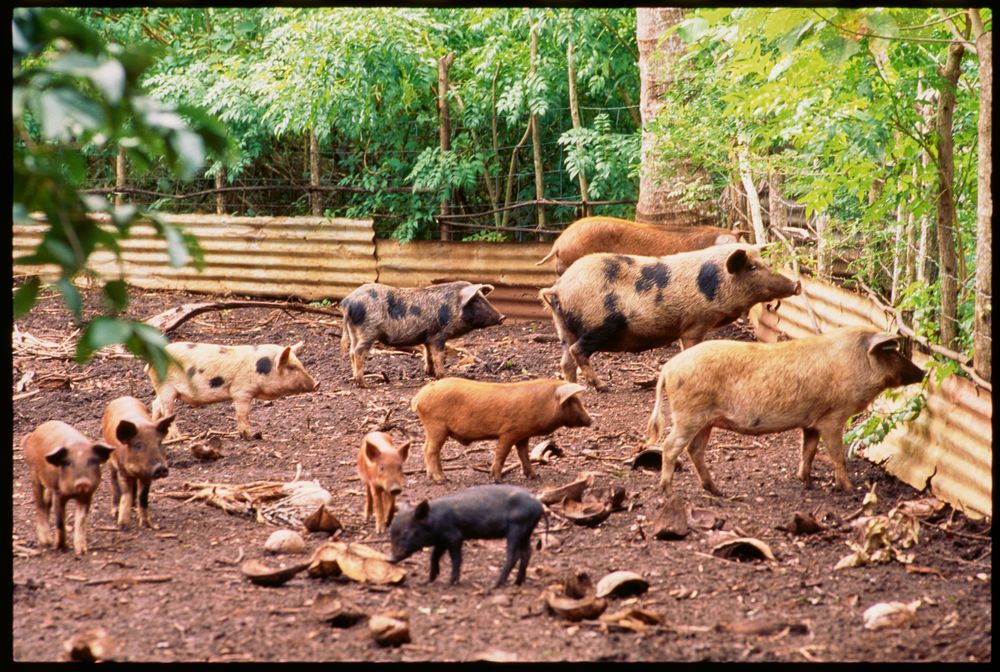
For many rural households in Tonga, home gardens and agricultural activities provide an important source of food and household income. Cyclones can destroy crops, damage fruit trees and affect livestock, creating challenges that may continue long after the storm has passed.
There are several practical steps farmers and households can take to reduce potential losses.
Protecting your garden and crops:
- Harvest mature crops where appropriate before the cyclone arrives.
- Secure gardening tools, containers and other loose equipment.
- Strengthen suitable plant supports and protect young seedlings where possible.
- Maintain drainage around gardens to reduce waterlogging.
- Apply mulch where appropriate to protect soil from erosion and reduce moisture loss.
- Identify areas where vulnerable crops and seedlings can be protected from strong winds.
- Store seeds and essential farming supplies in a dry, secure place.
Protecting livestock:
- Identify a safe location for livestock away from flood-prone areas and falling trees.
- Secure animal shelters and remove loose materials that could cause injury.
- Prepare sufficient feed and clean drinking water.
- Ensure animals have access to appropriate shelter.
- Avoid moving livestock through floodwaters or dangerous weather conditions.
After a cyclone, inspect your gardens and agricultural areas before resuming normal activities. Remove damaged vegetation carefully, assess soil and water conditions, and seek agricultural advice where needed.
5. Develop a family emergency and evacuation plan
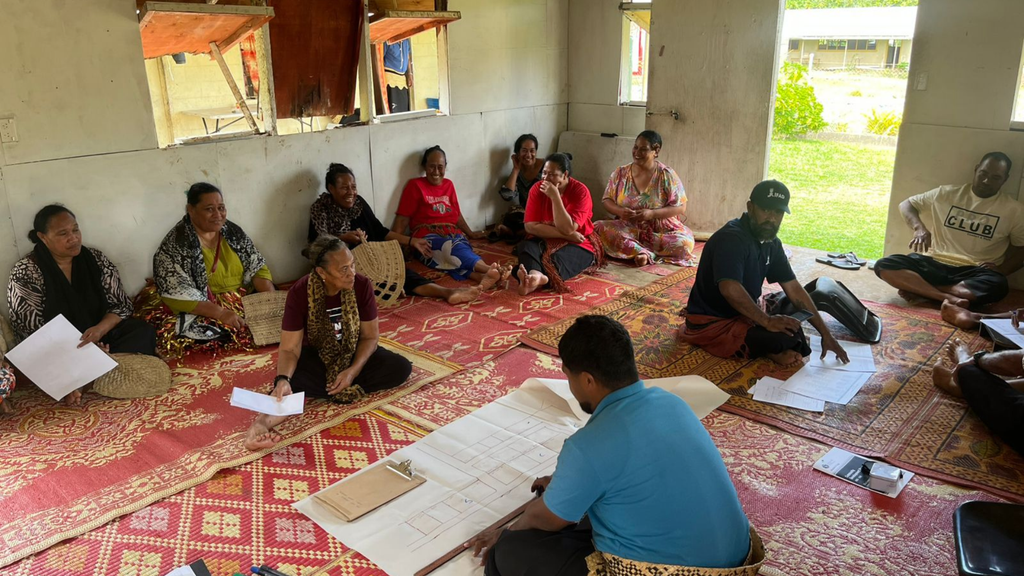
Every household should have a plan that explains what family members will do if a cyclone threatens their community.
Do not wait until an official evacuation instruction is issued to discuss where your family will go.
Your family should know:
- Where the nearest designated evacuation centre is located.
- Which route is safest to reach the evacuation centre.
- How family members will communicate if they become separated.
- Who will assist young children, older people and persons with disabilities.
- Where important documents and emergency supplies are kept.
- How household members will receive official weather warnings.
Families living in coastal or low-lying areas should understand their exposure to storm surges, coastal flooding and inundation. Follow evacuation instructions from local authorities promptly.
Important: If authorities advise evacuation, leave early and follow the designated routes. Do not wait until roads become flooded or winds become dangerous.
6. Make sure no one is left behind
Cyclones affect everyone, but some people experience greater challenges when preparing for and responding to disasters.
Older people, persons with disabilities, pregnant women, young children, people living alone and households in remote communities may require additional assistance.
Disaster preparedness must therefore be inclusive and consider the different needs and circumstances of community members.
Communities can take practical steps by:
- Identifying households that may need assistance before cyclone season.
- Checking that persons with disabilities can access emergency warnings and evacuation information.
- Making arrangements for transportation and assistance where needed.
- Ensuring evacuation centres are accessible and have appropriate sanitation facilities.
- Checking that essential medicines, mobility aids and other personal supplies are included in emergency plans.
- Establishing communication arrangements for people who may not have access to mobile phones or the internet.
Town Officers, Village Disaster Risk Management Committees, church leaders, women’s groups and youth groups can work together to identify vulnerable households and coordinate support.
A prepared community is one where people look out for one another, especially those who may face greater difficulties during emergencies.
7. What to do when a cyclone warning is issued
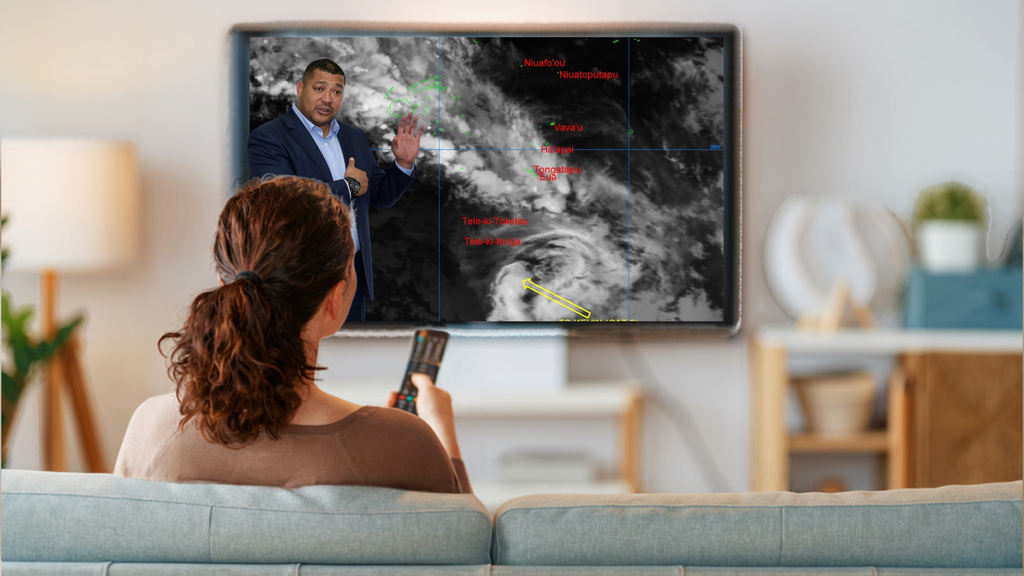
When the Tonga Meteorological Service issues a tropical cyclone advisory or warning, take the information seriously and begin implementing your household emergency plan.
Before the cyclone arrives:
- Monitor official weather updates through the Tonga Meteorological Service and trusted local radio stations.
- Follow instructions issued by relevant authorities.
- Complete necessary preparations and secure loose items around your property.
- Charge mobile phones and power banks.
- Fill clean containers with drinking water.
- Prepare food and essential supplies.
- Move livestock and animals to safer locations where possible.
- Unplug electrical appliances when it is safe to do so.
- Keep emergency supplies and important documents accessible.
- Move to an evacuation centre if instructed by authorities.
During the cyclone:
- Stay indoors and remain in the safest part of your home or designated shelter.
- Keep away from windows and glass doors.
- Continue listening to official weather updates where communication services are available.
- Do not go outside to inspect damage while strong winds are occurring.
- Avoid travelling, driving or walking through floodwaters.
- Stay away from fallen power lines and damaged electrical equipment.
- Keep children close and reassure them during the storm.
Remember that a temporary period of calm does not necessarily mean the cyclone has passed. Dangerous winds may return as the system moves through. Remain in a safe location until authorities confirm that conditions are safe.
8. Stay safe and support recovery after the cyclone
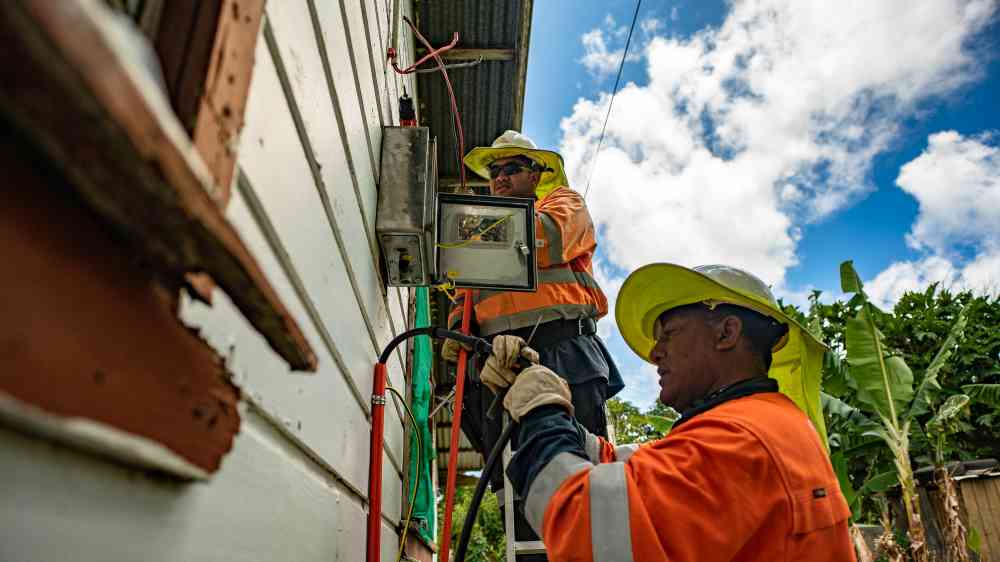
The danger does not end when the strong winds stop. Damaged buildings, fallen trees, contaminated water and electrical hazards can continue to threaten families and communities.
Before returning to normal activities:
- Wait for official advice confirming that it is safe to leave your shelter.
- Avoid entering damaged buildings until they have been assessed.
- Stay away from fallen power lines and report hazards to the relevant authorities.
- Avoid floodwaters, which may contain sewage, chemicals, debris and other hazards.
- Check drinking water supplies and follow public health advice before using potentially contaminated water.
- Check on neighbours, particularly older people and households that may need assistance.
- Seek medical attention for injuries and report urgent health concerns.
- Document damage to homes, gardens and other assets where it is safe to do so.
- Coordinate community clean-up activities and dispose of debris safely.
Recovery takes time. Communities can support one another by sharing available resources, assisting vulnerable households and working together to restore essential services and livelihoods.
9. Your household cyclone preparedness checklist
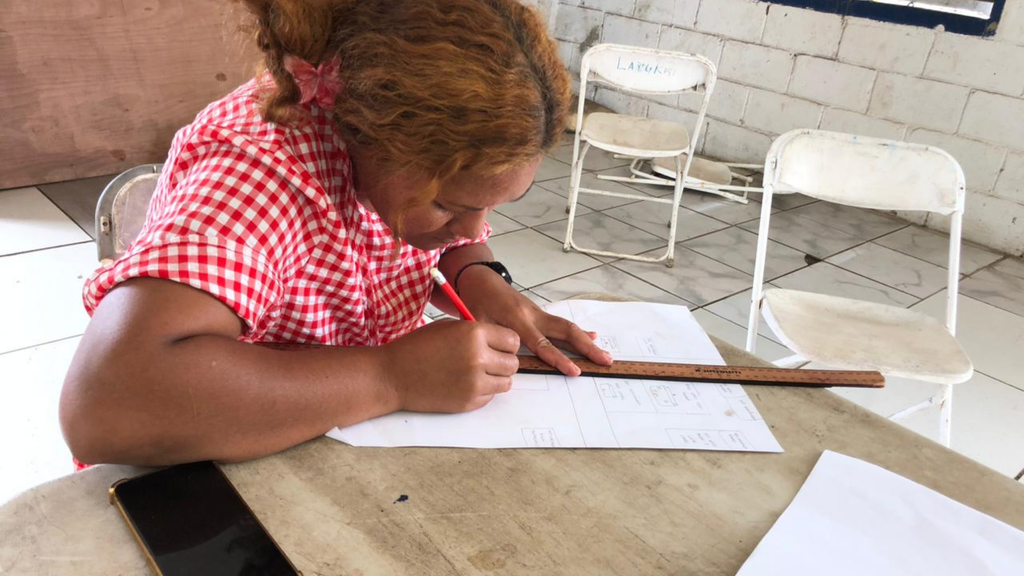
Use this checklist to assess whether your family is prepared before the cyclone season begins.
Home and property
- Inspect and repair roofs, doors and windows.
- Clear gutters and drainage systems.
- Secure loose outdoor materials and equipment.
- Identify a safe shelter or evacuation centre.
Food and water
- Store sufficient drinking water in clean containers.
- Prepare non-perishable food supplies.
- Check that water tanks are covered and secure.
- Prepare essential supplies for children and older family members.
Health and safety
- Prepare a first-aid kit and essential medicines.
- Keep a torch, batteries and radio available.
- Charge mobile phones and power banks.
- Store important documents in waterproof packaging.
Family and community
- Discuss and practise a family emergency plan.
- Identify evacuation routes and designated shelters.
- Make arrangements to assist vulnerable household members.
- Check on neighbours who may need additional support.
- Know where to access official weather warnings.
Preparedness starts with each household and strengthens the whole community
Do not wait for a cyclone warning to start preparing. Start today, involve your family and make sure your community is ready.
Sorry, the comment form is closed at this time.