





19 Nov Turning Household Waste into Garden Resources: A Beginner’s Guide to Composting
Fruit peelings, vegetable scraps, fallen leaves and grass clippings are often discarded as household waste. However, these materials can be put to good use in the garden through composting.
For households across Tonga, where home gardens provide an important source of food, composting offers a simple way to reduce organic waste while improving soil quality. Instead of throwing away materials that can naturally break down, families can turn them into compost to support healthier plant growth.
Getting started does not require expensive equipment. A small space, a few basic materials and regular attention are enough to establish a household compost system.
What is composting?
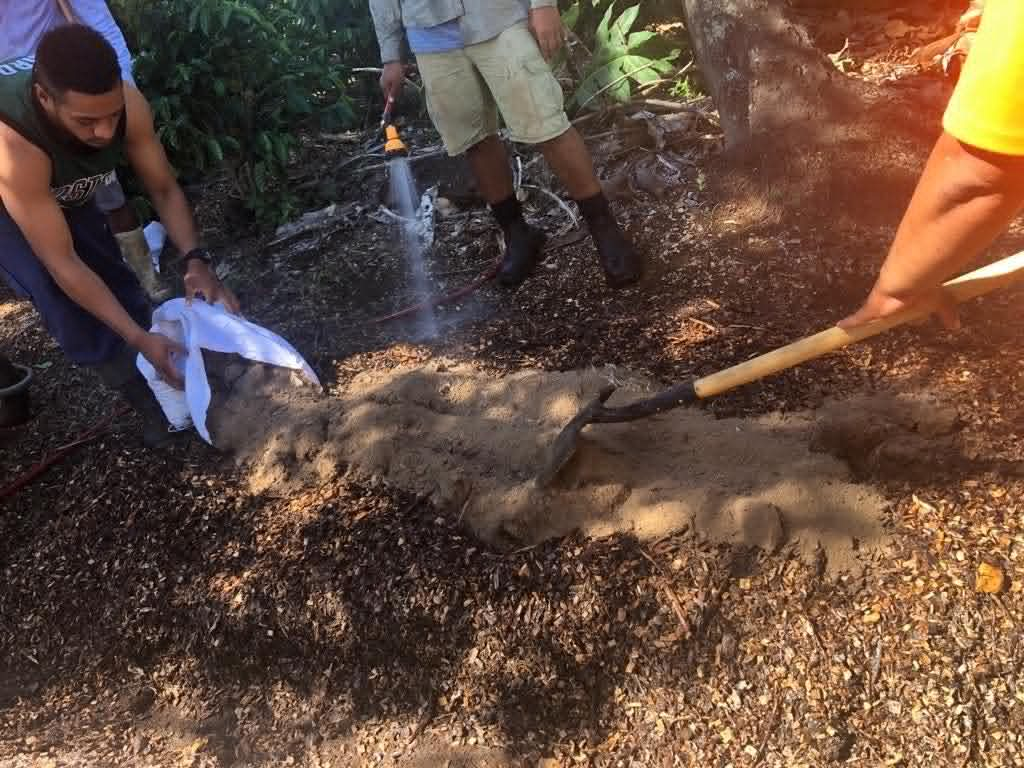
Composting is the natural process of breaking down organic materials into a dark, soil-like substance that can be added to gardens.
Microorganisms, fungi and other small organisms break down food scraps and garden waste over time. The finished compost adds organic matter to the soil, helping improve its structure, moisture retention and ability to support plant growth.
For households that grow vegetables, root crops and fruit trees, compost can be a useful addition to existing gardening practices.
What can you put in your compost?
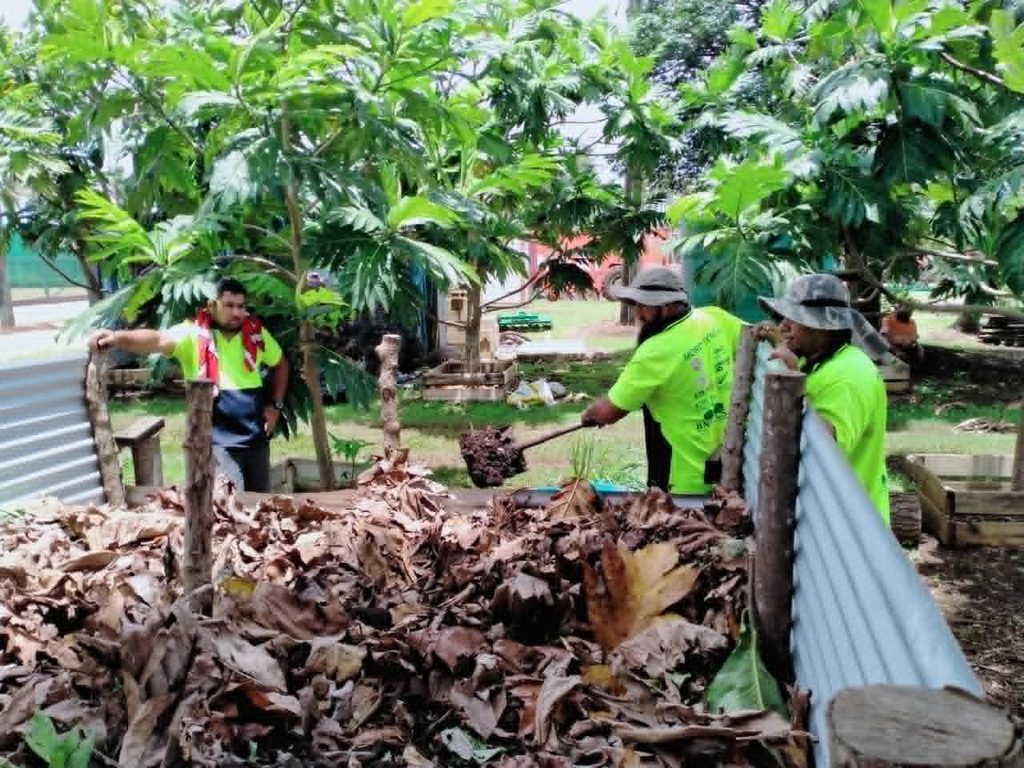
A successful compost pile needs a mixture of two main types of materials:
Green materials provide nitrogen and help decomposition. These include:
- Fruit and vegetable peelings.
- Fresh grass clippings.
- Green leaves and garden trimmings.
- Coffee grounds and tea leaves.
- Crushed eggshells.
Brown materials provide carbon and help maintain airflow and absorb excess moisture. These include:
- Dry leaves and coconut leaves.
- Small twigs and dry plant stalks.
- Untreated sawdust.
- Shredded cardboard and plain paper.
- Dry grass and straw.
Avoid adding meat, fish, dairy products, cooking oils, plastics, chemically treated materials, pet waste and diseased plants. These can attract pests, introduce harmful organisms or cause problems during decomposition.
How to start composting at home
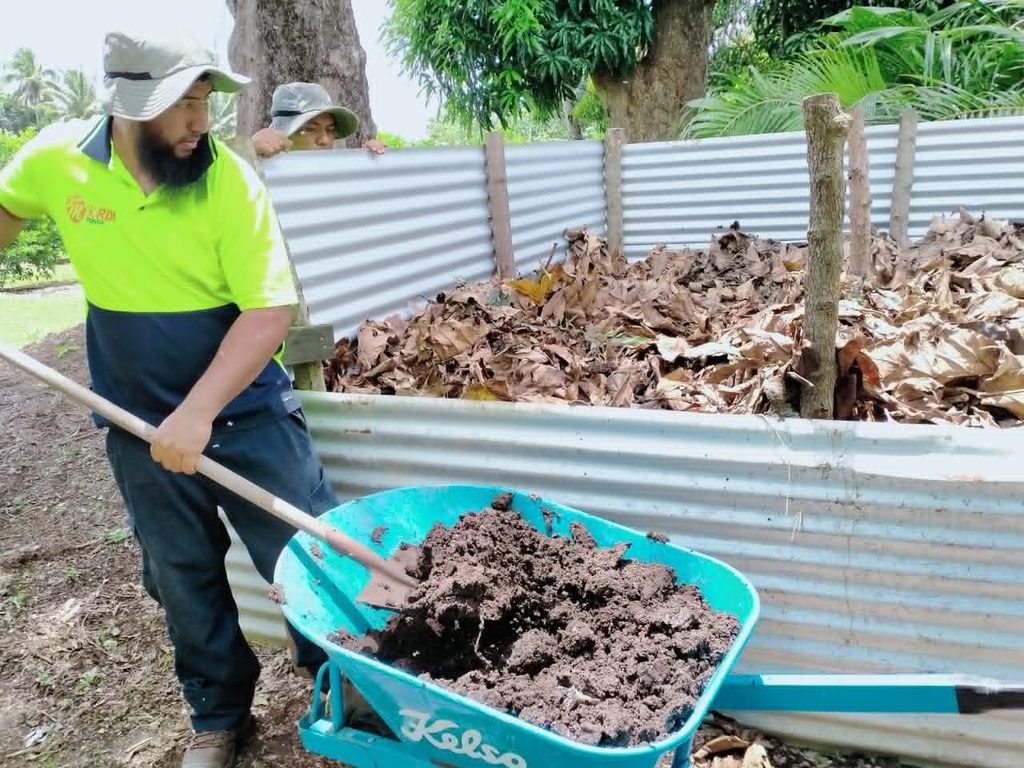
You do not need a purpose-built compost bin. A simple covered enclosure or designated area in your backyard can work.
1. Choose a suitable location.
Find a well-drained area with some shade. In Tonga’s warm climate, partial shade helps prevent the compost from drying out too quickly. Use a covered bin or enclosure that allows airflow while keeping out animals and pests.
2. Start with dry materials.
Place a layer of small twigs, dry leaves or other coarse garden materials at the bottom. This helps air circulate through the pile.
3. Add kitchen and garden waste.
Place fruit and vegetable scraps, fresh grass clippings and green leaves on top. Cover each addition with dry leaves, shredded cardboard or other brown materials. This helps reduce odours and discourages flies.
4. Keep the compost moist.
Add a little water if the materials become dry. Compost should feel like a wrung-out sponge: damp but not waterlogged. Too much moisture can reduce airflow and cause unpleasant smells.
5. Turn the compost regularly.
Mix the materials every few weeks using a garden fork or suitable tool. This introduces oxygen and helps the organic matter break down.
When is your compost ready?
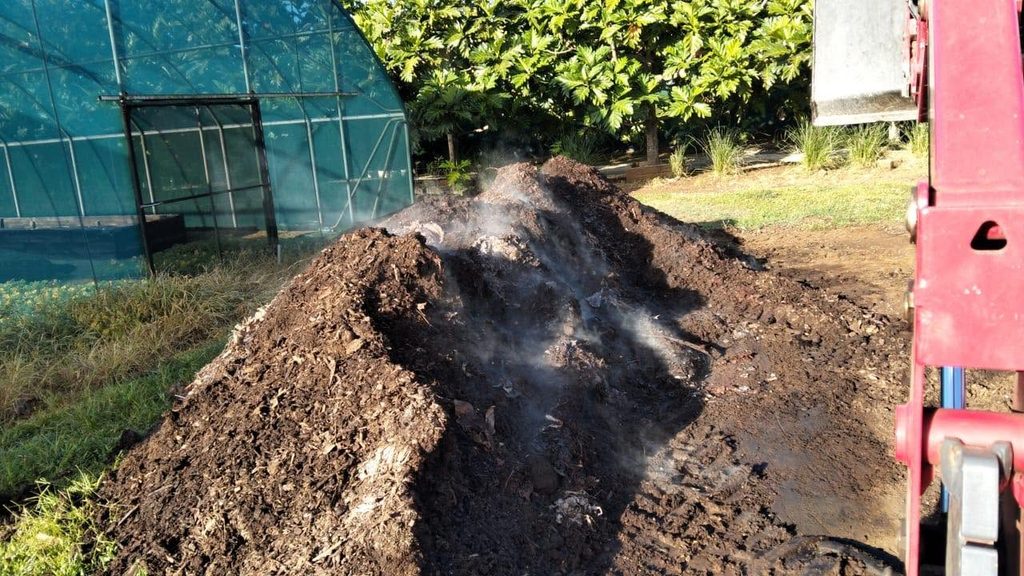
Composting takes time, depending on the materials used, moisture, airflow and temperature. It may take several months before the compost is ready.
Finished compost is generally dark brown, crumbly and has an earthy smell. Most of the original food scraps and garden materials should no longer be recognisable.
Mix the finished compost into garden soil before planting or apply it around established plants as a soil improvement material.
Making better use of household resources
Composting is a practical way for Tongan households to make better use of materials that would otherwise be discarded. It can reduce the amount of organic waste going to disposal sites while returning valuable organic matter to the soil.
For families maintaining home gardens, this is also an opportunity to make gardening more sustainable by reducing reliance on purchased soil amendments and making use of locally available resources.
Starting small is often the easiest approach. A household can begin with fruit and vegetable scraps, fallen leaves and grass clippings, then expand its composting activities as it becomes familiar with the process.
Sorry, the comment form is closed at this time.