





30 Oct Build a 72-Hour Emergency Kit for Your Family
Could your family manage for three days without access to shops, electricity or running water?
When a cyclone, flood or other disaster strikes, everyday services can quickly become unavailable. Roads may be blocked, shops may close, electricity may be interrupted and access to clean drinking water may become limited.
During these situations, having essential supplies ready can help your family manage until assistance becomes available or normal services are restored.
A 72-hour emergency kit contains the basic supplies your household needs to manage independently for at least three days.
Note: every household is different with different members of family that have varying needs. This is a general starter kit, you can tailor it to meet your household’s needs moving forward.
1. Start with safe drinking water
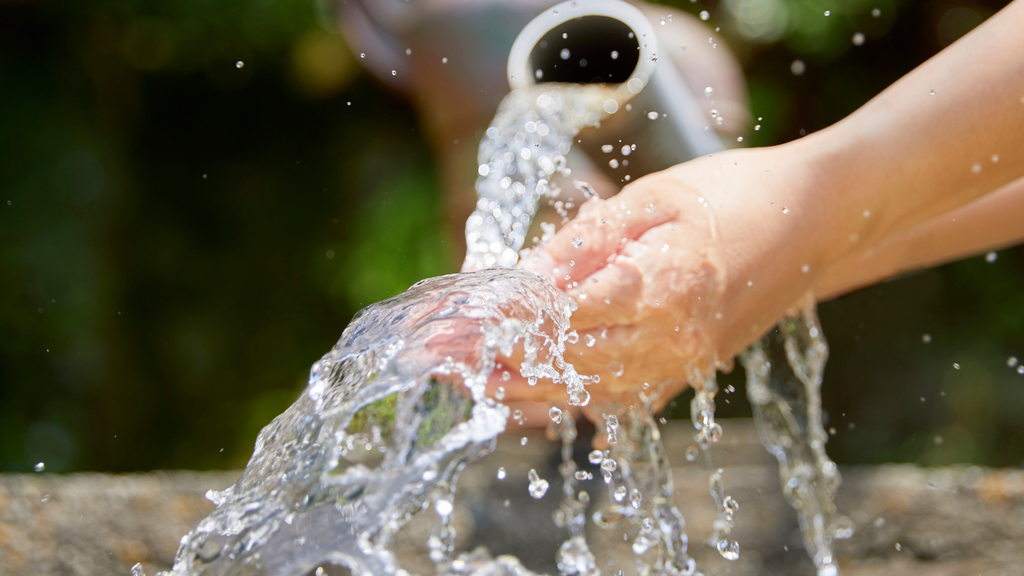
Water is one of the most important items in your emergency kit. Each person should have at least 3 litres of drinking water per day, with additional water for cooking and basic hygiene where possible.
For a family of four, this means preparing at least 36 litres of drinking water for three days.
- Store water in clean, food-grade, tightly sealed containers.
- Keep containers in a cool, shaded location.
- Label containers with the date they were filled.
- Check and replace stored water regularly.
- Consider keeping additional water for infants, older people and anyone with specific needs.
Do not rely on rainwater collected during or immediately after a cyclone without checking whether it is safe to drink.
2. Pack food that lasts
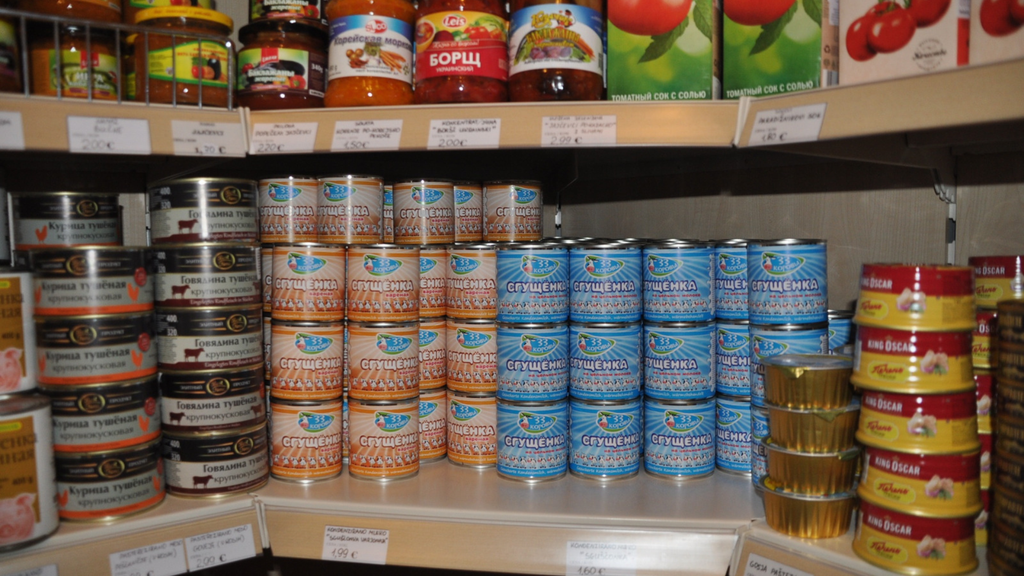
Choose foods that are nutritious, easy to prepare and do not require refrigeration. Remember that electricity may be unavailable for several days.
Suitable emergency food supplies include:
- Canned good like canned fish, canned meat and canned vegetables.
- Tinned beans and other ready-to-eat foods.
- Crackers, biscuits and breakfast cereals.
- Peanut butter and other foods with a long shelf life.
- Dried fruits and nuts.
- UHT milk or other shelf-stable alternatives.
- Baby food and special dietary foods where needed.
Include a manual can opener, eating utensils and disposable or reusable plates.
Choose foods your family already eats, and check expiry dates regularly.
3. Include essential health and hygiene supplies
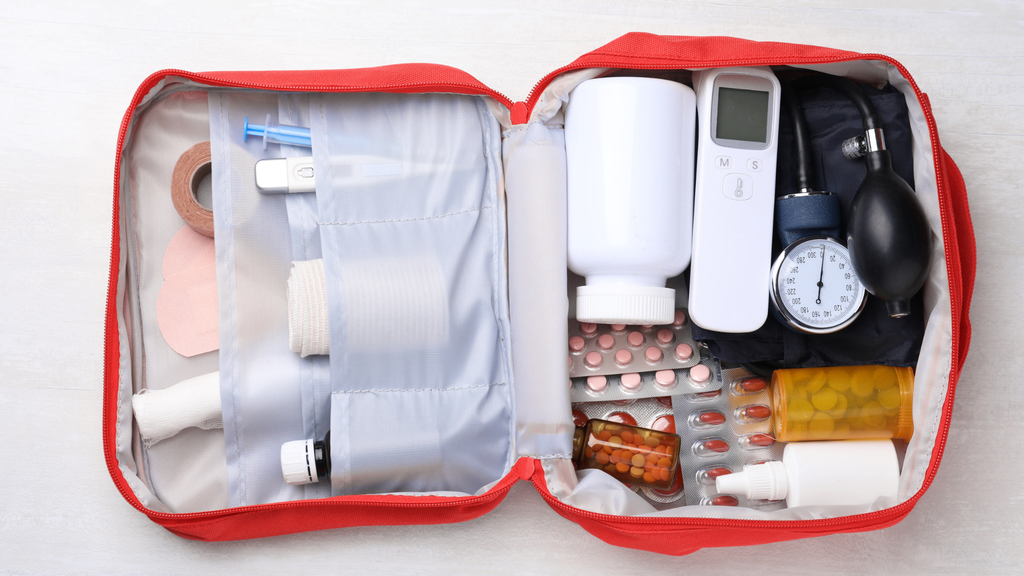
Maintaining health and hygiene becomes particularly important when water supplies and sanitation services are disrupted.
Your kit should include:
- A basic first-aid kit with bandages, antiseptic and dressings.
- Essential prescription medicines and medical supplies.
- Soap and hand sanitizer.
- Toothbrushes and toothpaste.
- Toilet paper and sanitary products.
- Wet wipes and rubbish bags.
- Insect repellent.
- Face masks where appropriate.
If a family member has a medical condition, make sure their essential medicines, prescriptions and relevant medical information are included.
4. Prepare for power and communication disruptions
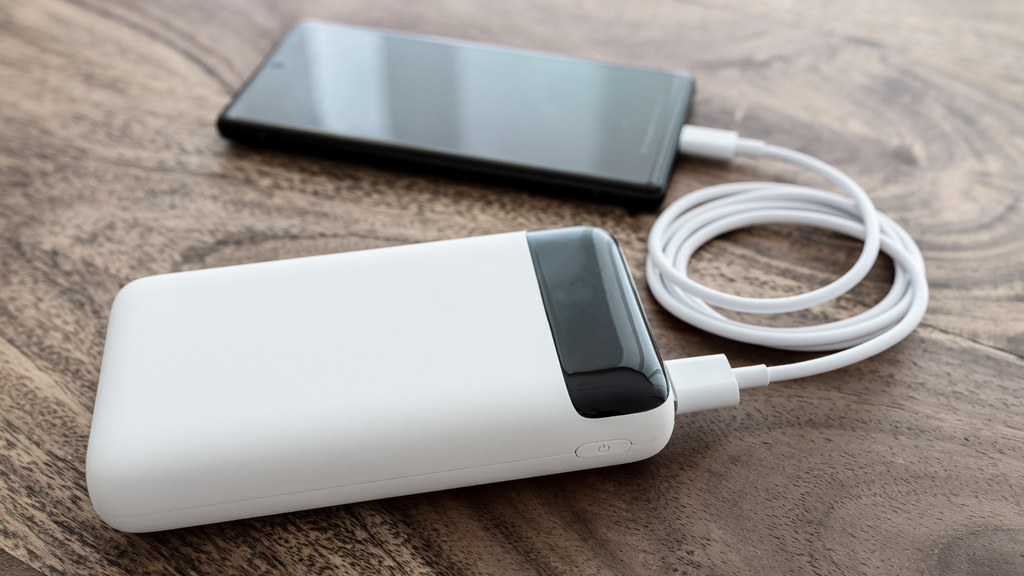
Power outages can make it difficult to receive information, communicate with family members or access lighting after dark.
Include the following items:
- A battery-powered or hand-crank radio.
- A torch or flashlight with spare batteries.
- A fully charged power bank or solar powered power banks.
- Charging cables for mobile phones.
- A whistle to signal for help.
- A waterproof bag for important documents.
- Cash in small denominations.
Keep your mobile phone charged and use official information channels to receive emergency updates.
5. Pack for every member of your household
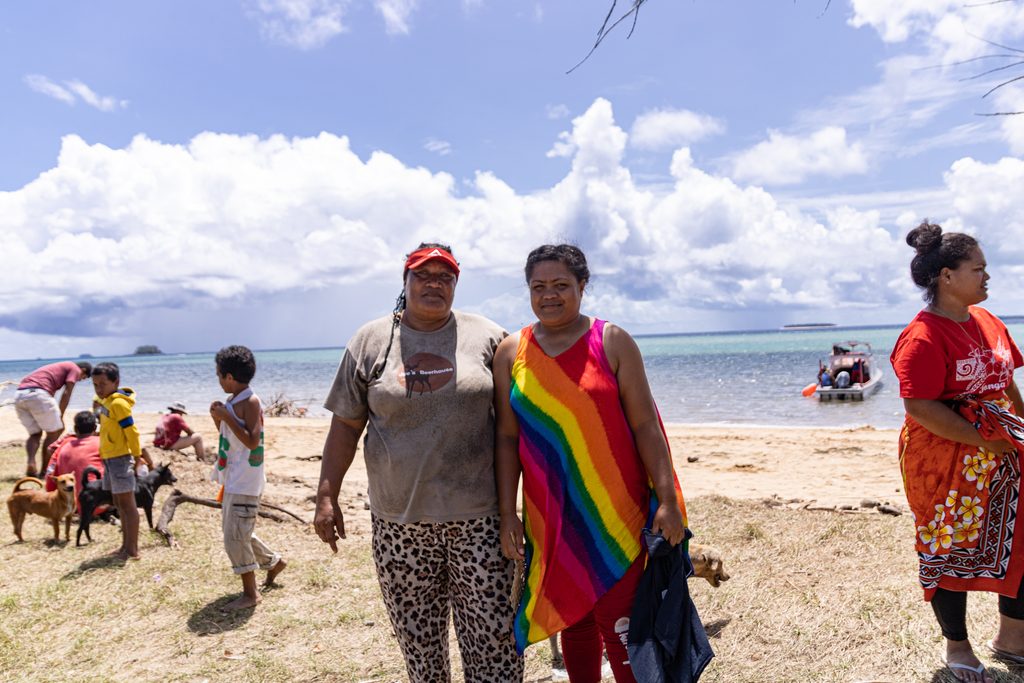
Every household has different needs. Your emergency kit should reflect the people who depend on you.
Consider including:
- Spare clothing and underwear for each family member.
- Warm clothing and blankets.
- Supplies for babies, including nappies, formula and feeding equipment.
- Essential items for older people.
- Mobility aids, hearing aids and spare batteries where needed.
- Personal medications and medical equipment.
- Food and water for household pets.
Keep important documents such as identification, birth certificates, insurance papers and medical records in waterproof packaging.
6. Store your kit somewhere accessible
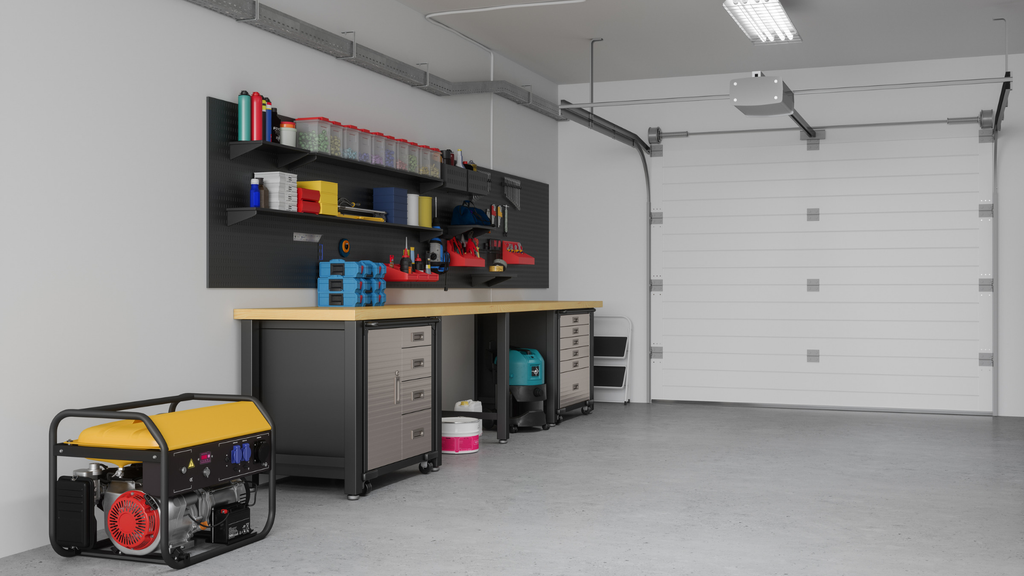
Once your supplies are ready, place them together in sturdy, waterproof containers or an easily transportable emergency bag.
Keep your kit somewhere accessible so family members can find it quickly when needed.
Remember to:
- Check food and medicine expiry dates every few months.
- Replace used or damaged supplies.
- Recharge power banks and check batteries.
- Update the kit when household needs change.
- Make sure everyone in the family knows where it is stored.
Your 72-hour emergency kit checklist
Use this checklist to help prepare your household.
- Drinking water (at least 3 litres per person per day)
- Three days of non-perishable food
- Manual can opener and eating utensils
- First-aid kit and essential medicines
- Soap, toothpaste and hygiene supplies
- Torch and spare batteries
- Battery-powered or hand-crank radio
- Fully charged power bank and charging cables
- Important documents in waterproof packaging
- Cash and emergency contact information
- Spare clothing and blankets
- Special supplies for babies, older people and persons with disabilities
- Food and water for household animals
Start building your kit today
Preparing a 72-hour emergency kit does not have to happen all at once. Families can gradually collect essential supplies, prioritising drinking water, food, medicines and basic safety items.
The most important thing is to start before disaster strikes.
Three days of preparation can make a significant difference when your family needs it most.
Note: The water quantity above is a minimum drinking-water allowance, not a complete daily water supply for drinking, cooking and hygiene. Always verify rainwater tank quality with Tonga Ministry of Health before consumption. Alternatively, bottled water should be sufficient until secure drinking water sources are identified for your household.
Sorry, the comment form is closed at this time.