



27 Oct Preparing for El Niño in Tonga: Practical Steps to Protect Our Water, Food and Families
El Niño is a natural climate phenomenon that can change rainfall and temperature patterns across the Pacific. For Tonga, it can mean longer dry periods, reduced rainfall, water shortages and increased pressure on home gardens, crops and household food supplies. It can also influence tropical cyclone activity during the cyclone season.
Tonga Meteorological Services declared El Niño conditions in June 2026. As of October 2026, communities need to take drought preparedness seriously, particularly households that depend on rainwater tanks for their daily water supply.
While we cannot control the weather, we can take practical steps now to reduce its impacts. Every household, farmer, church, school and community group has a role to play.
1. Save water and protect your household supply
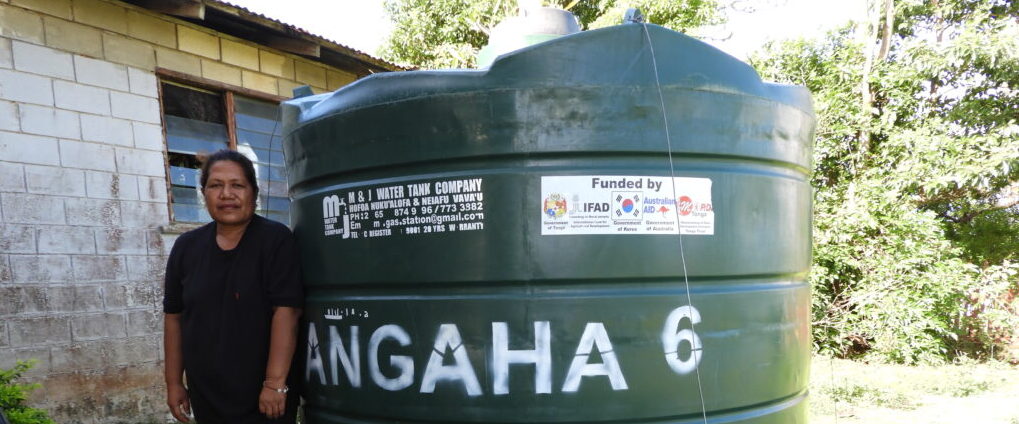
Water is essential for drinking, cooking, washing, growing food and caring for livestock. During prolonged dry weather, rainwater tanks may take longer to refill, and groundwater sources may come under pressure.
What every household can do:
- Check your water tank. Look for cracks, leaks, damaged pipes and loose connections. Repair leaks early.
- Clean your roof and gutters. Remove leaves, dirt and other debris so rainwater can flow into your tank when it rains.
- Keep tanks covered. Use a secure lid and maintain clean collection systems to reduce contamination.
- Use water carefully. Turn off taps when not in use, repair leaking taps and reuse suitable water for plants where safe.
- Store water safely. Keep drinking water in clean, covered containers and use a clean utensil or tap to draw it.
- Plan for shortages. Check how much water your household has and identify a safe alternative supply if your tank runs low.
Remember: water used for gardening or cleaning should not be assumed safe for drinking. If the safety of your drinking water is uncertain, follow advice from the Ministry of Health or local authorities.
2. Prepare your home garden and crops for dry weather
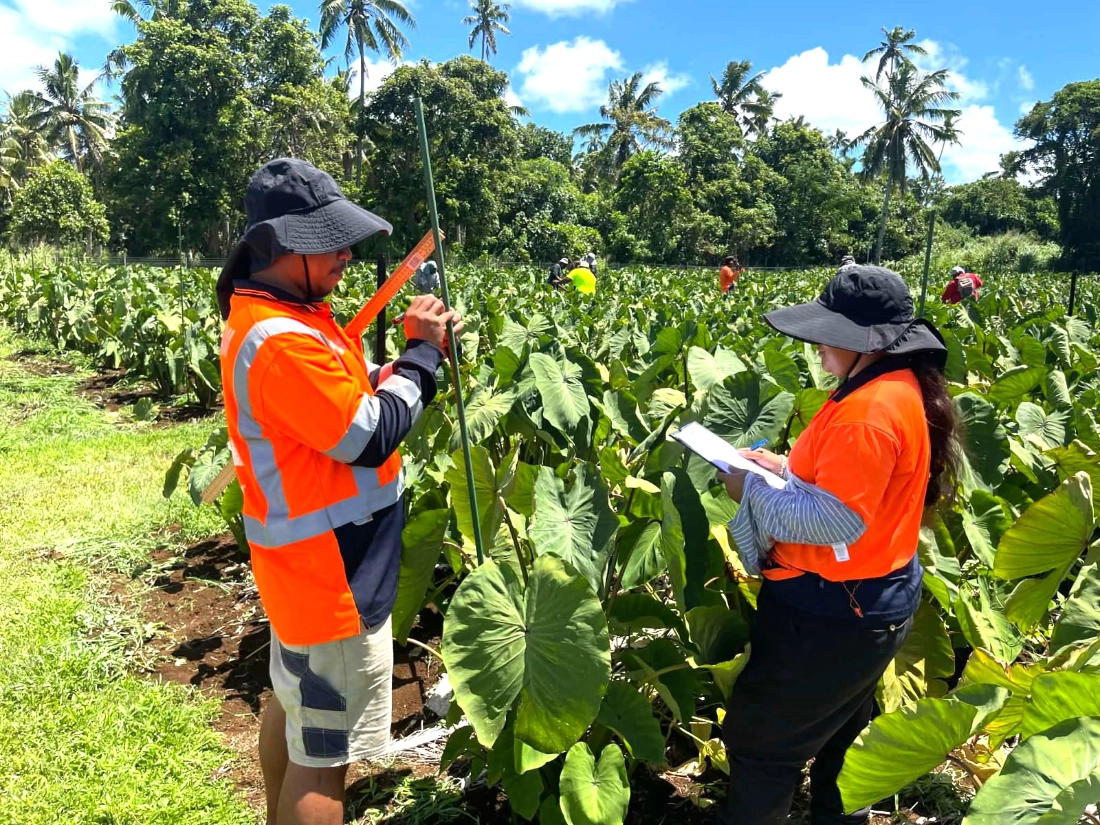
Home gardens and farms support household food security and income. When rainfall decreases, crops can struggle to grow, soil can dry out and livestock may have less access to water and feed. Planning ahead can help reduce these losses.
Practical steps for gardeners and farmers:
- Prioritise water-efficient crops. Ask agricultural extension officers which locally suitable crops and varieties are best suited to current conditions.
- Mulch around plants. Use dry leaves, grass clippings or other suitable organic materials to cover the soil and help retain moisture. Keep mulch away from plant stems to reduce rotting.
- Water at cooler times. Water early in the morning or late in the afternoon to reduce evaporation.
- Protect young plants. Use suitable shade materials where necessary, especially during periods of intense heat.
- Improve soil health. Add well-rotted compost or other suitable organic matter to help the soil retain moisture.
- Stagger planting. Avoid planting all crops at once. Discuss planting schedules with local agricultural officers and adjust them to rainfall forecasts.
- Irrigate using recycled water: Don’t be quick to throw away grey water – that is water used for domestic purposes like cleaning, laundry, washing or bathing. It effectively waters your plants while also deterring pests.
- Protect livestock. Ensure animals have access to clean drinking water, shade and sufficient feed. Seek advice if pasture or feed supplies begin to decline.
Do not assume that every traditional crop or variety will perform equally well during drought. Local experience and advice from agricultural officers can help families make suitable decisions.
3. Protect food supplies and household income
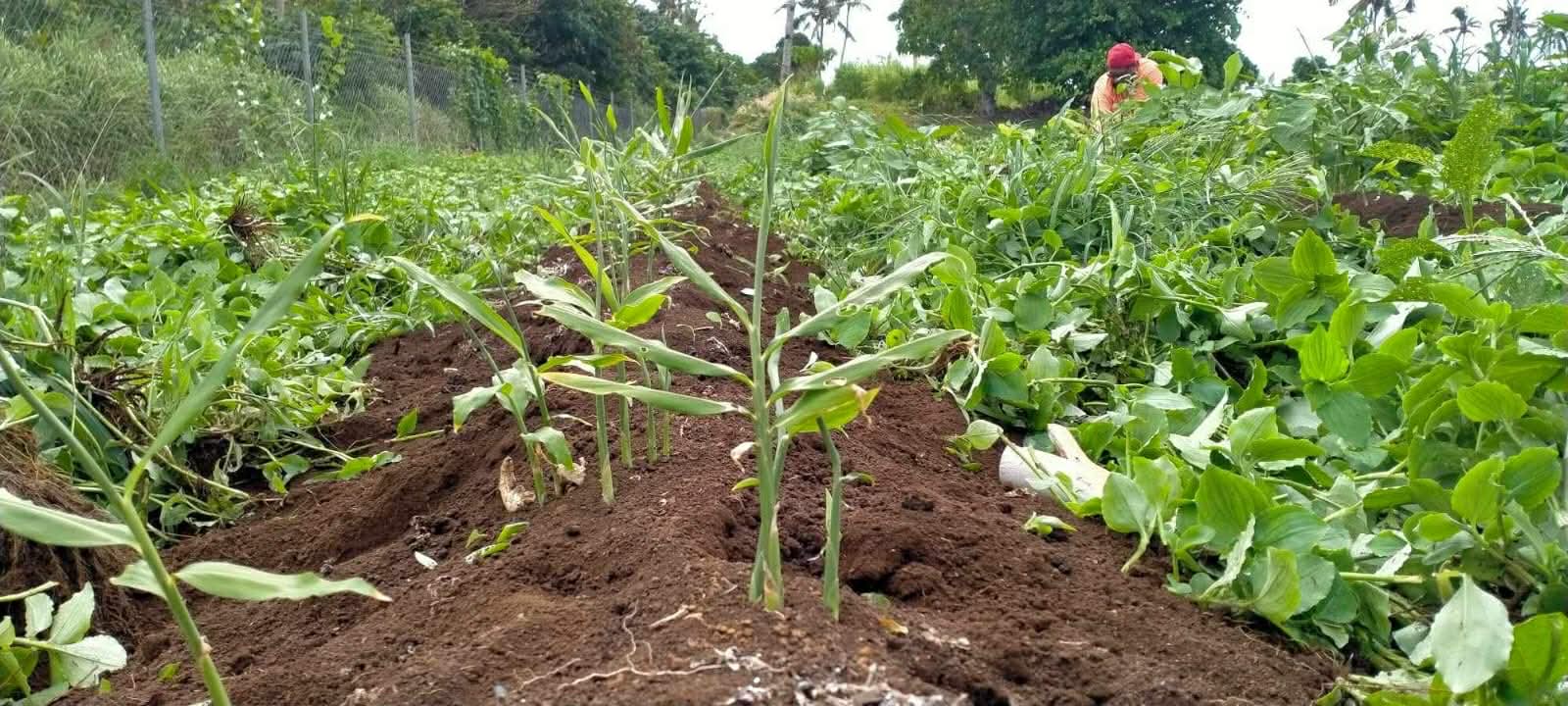
Dry weather can affect the amount of food households produce and the income they earn from farming. Preparing early can reduce the pressure on families if harvests decline or food becomes more expensive.
Households can take the following steps:
- Store harvested food properly. Keep root crops and other produce in clean, dry, well-ventilated conditions suitable for each crop.
- Maintain a small food reserve. Where possible, gradually set aside shelf-stable foods such as rice, canned goods and dried foods that your family regularly uses.
- Plan meals around available food. Make use of locally available crops, seasonal produce and nutritious foods that require less water to prepare.
- Avoid unnecessary food waste. Prepare appropriate portions and preserve surplus produce safely.
- Manage household spending. Set aside a small emergency fund where possible and plan for potential increases in food or water costs.
- Share local knowledge. Exchange ideas with neighbors about food preservation, home gardening and crops that have performed well in dry conditions.
Families do not need to buy everything at once. Small, gradual preparations can make a difference, especially when households work together and share available resources.
4. Protect your family’s health during hot and dry conditions
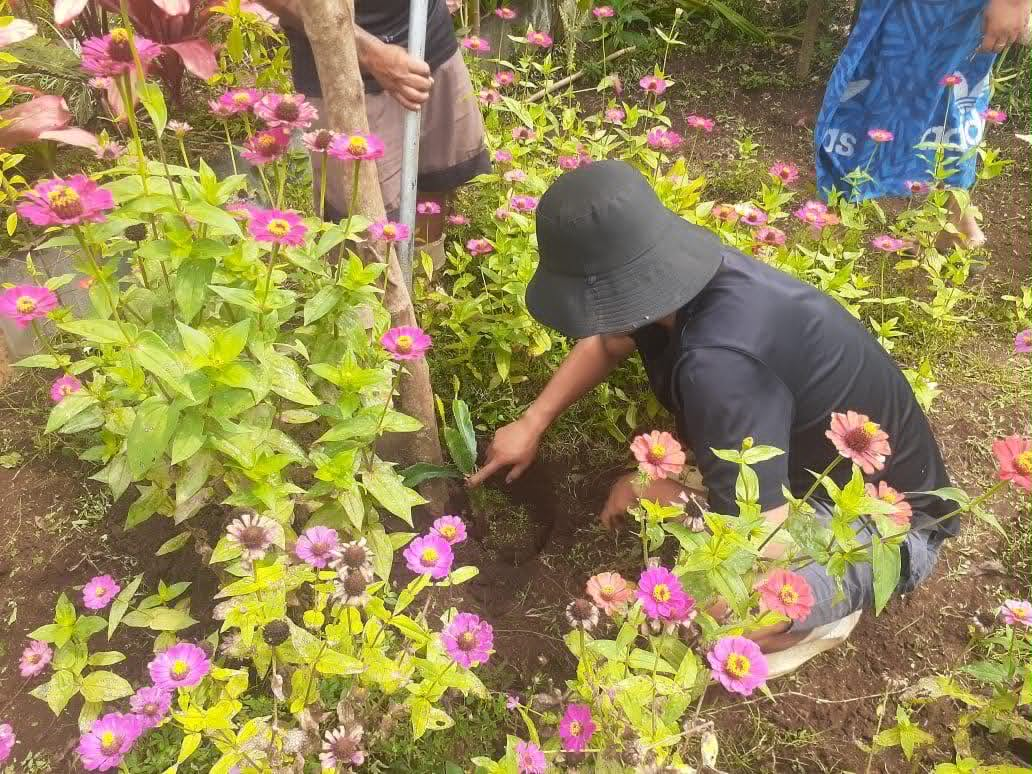
Hot weather and limited access to safe water can increase health risks, particularly for young children, older people, pregnant women, people with disabilities and people with existing health conditions.
Keep your family safe by following these steps:
- Ensure everyone is hydrated: Drink safe water regularly throughout the day.
- Seek shade and cool areas: Rest in shaded, cool or well-ventilated areas during the hottest part of the day.
- Save energy to reduce stress on body: Reduce strenuous outdoor work during peak heat, especially for farmers and outdoor workers.
- Keep cool and protected: Wear lightweight clothing, use a hat and protect your skin from the sun.
- Maintain food safety standards: Keep food preparation areas and drinking-water containers clean. Refrain from consuming food that is not properly refrigerated. Be aware of purchasing seafood exposed to the open over extended periods of time.
- Always practice hygiene: Wash hands with soap and safe water whenever possible, especially before preparing food and after using the toilet.
- Be mindful of others: Check on relatives and neighbors who may have difficulty accessing water, keeping cool or travelling to health services.
Watch for signs of heat-related illness, including dizziness, headache, nausea and unusual weakness. Move the person to a cooler place and seek medical advice. Confusion, collapse or loss of consciousness can indicate a medical emergency and require immediate assistance.
5. Prepare for cyclones as well as drought
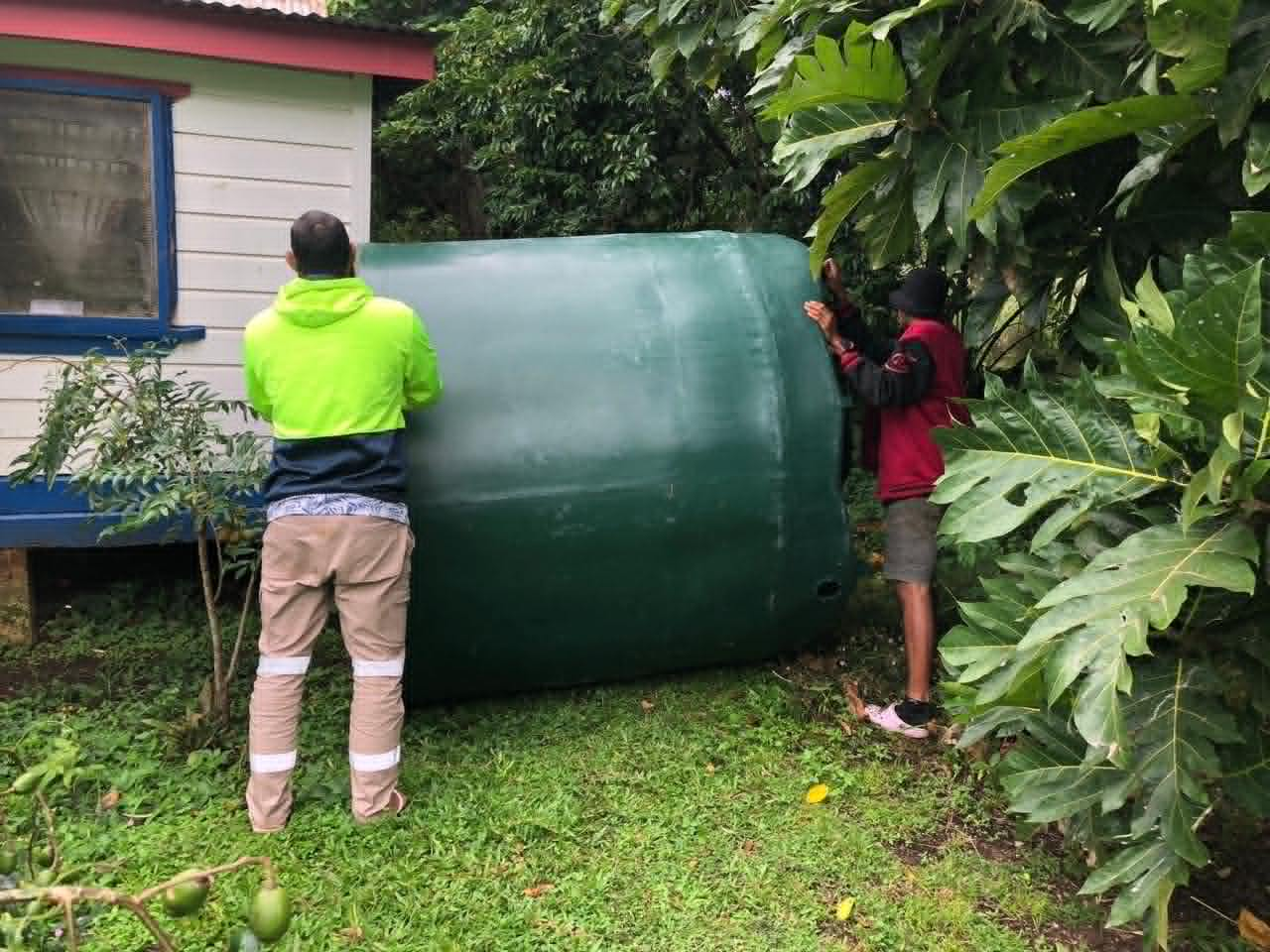
El Niño preparedness is not only about dry weather. Tonga’s meteorological outlook has also highlighted the potential for increased tropical cyclone activity during the 2026–2027 cyclone season. El Niño does not guarantee that a cyclone will affect your community, but it makes it important to prepare for both hazards
Every household should:
- Clear immediate surroundings: Check the roof, doors, windows and surrounding trees for potential hazards.
- Stay prepared at all times: Prepare an emergency kit containing drinking water, food, a torch, batteries, a first-aid kit, essential medicines, hygiene supplies and important documents stored in waterproof packaging.
- Be energy efficient: Keep phones charged and identify a reliable way to receive official warnings.
- Have a plan and stick to it: Know the location of your designated evacuation centre and the safest route to reach it.
- Plan as a family: Make a family communication plan in case household members are separated.
- Stay locked onto national authority: Follow official warnings and evacuation instructions promptly.
Remember that drought conditions do not remove the risk of flooding, damaging winds or storm surges. Prepare for the hazards relevant to your own location.
6. Make sure no one is left behind
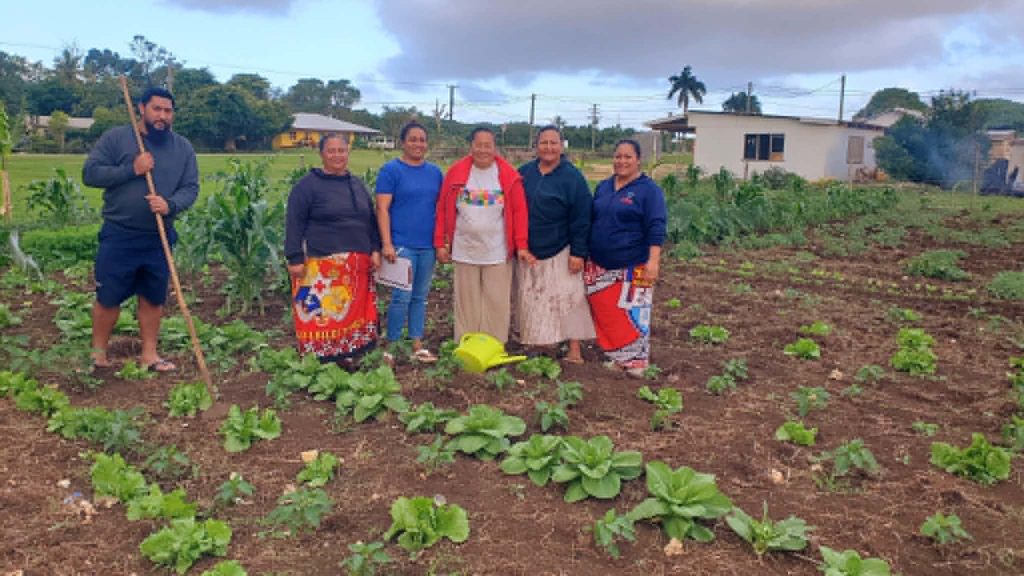
Community preparedness is strongest when everyone participates. Some households may have limited water storage, fewer financial resources or difficulty accessing information and emergency assistance. Older people, people with disabilities, people living alone and families in remote areas may need additional support.
Town Officers, church leaders, women’s groups, youth groups and Village Disaster Risk Management Committees can help by:
- Seek out those who need help: Identifying households that may need assistance before water shortages become severe.
- Sharing is caring: Sharing verified weather updates and preparedness information through community meetings, churches, schools and local communication channels.
- Be a good neighbor: Checking whether older people and people with disabilities can access drinking water, emergency supplies and evacuation arrangements.
- Contact local authorities: Coordinating with relevant authorities when a household’s water supply becomes insufficient.
- Be an active community member: Organizing community clean-up activities to maintain rainwater collection systems and reduce water loss.
- Local knowledge is golden: Sharing locally appropriate farming knowledge and discussing how to support households experiencing food shortages.
Preparedness should be a shared responsibility. Community members can contribute in different ways, whether by sharing information, checking on neighbors or helping maintain community water sources.
7. Develop your own household preparedness checklist
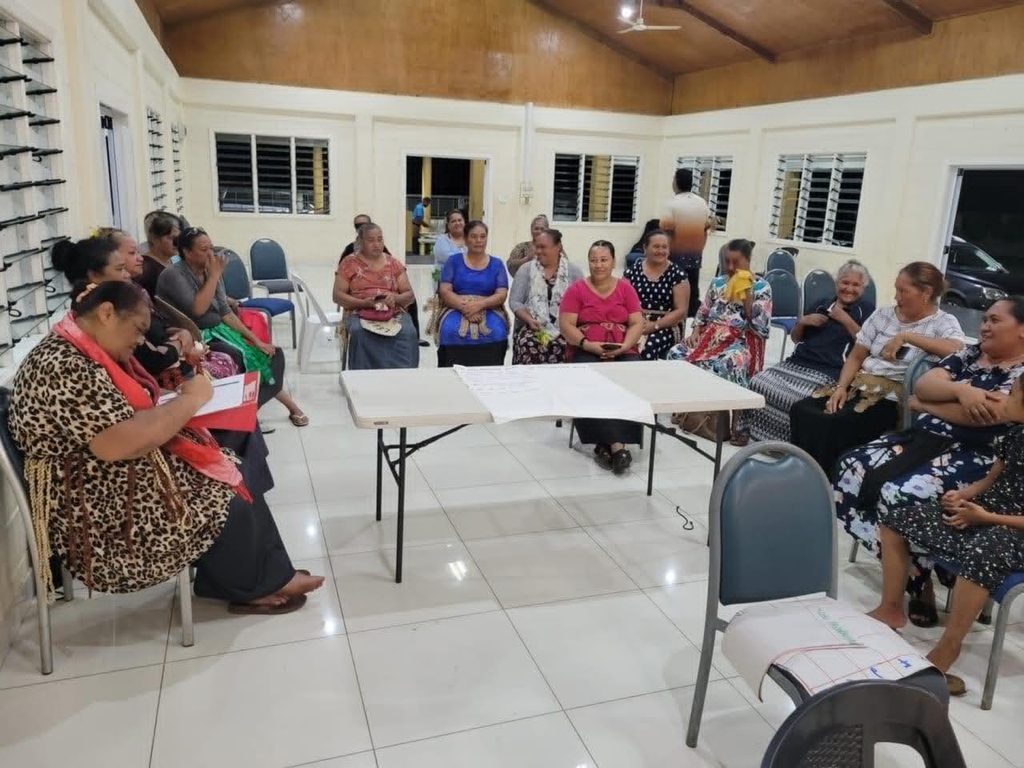
Help get you and your family kickstarted with a checklist that you can tailor along the way to meet your household needs and share with friends and family.
Water
[ ] Check the water tank, pipes, gutters and roof catchment.
[ ] Clean and cover water storage containers.
[ ] Identify a safe alternative water source.
[ ] Agree on a plan to conserve household water.
Food and farming
[ ] Inspect home gardens and prioritise water-efficient practices.
[ ] Prepare mulch and suitable compost.
[ ] Store harvested food safely and gradually build a food reserve.
[ ] Check livestock water, shade and feed supplies.
Health and safety
[ ] Identify ways to keep family members cool and hydrated.
[ ] Prepare emergency food, water, medicines and a first-aid kit.
[ ] Check emergency contacts, warnings and evacuation arrangements.
[ ] Make a plan to assist relatives or neighbours who need support.
8. Stay informed and act early
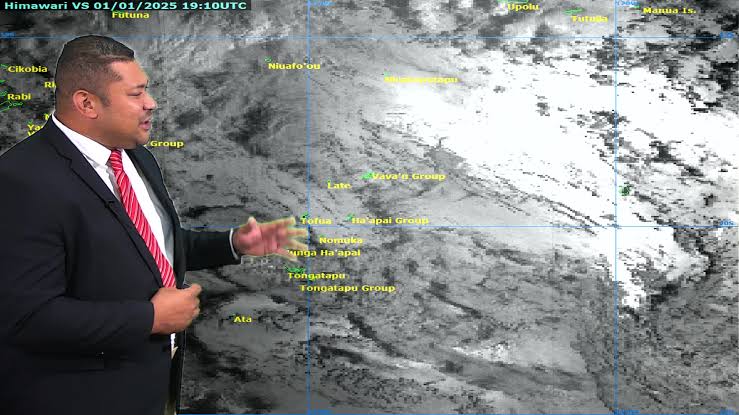
Weather conditions can change, so households should regularly check official forecasts, drought outlooks and public advisories rather than relying on rumors or old information.
For the latest information, visit:
- Tonga Meteorological Services: met.gov.to for weather forecasts, rainfall outlooks, drought outlooks and warnings.
- Tonga National Disaster Risk Management Office: Follow official disaster preparedness and response updates through government channels.
- Ministry of Agriculture, Food and Forests: Seek advice from agricultural extension officers on drought preparedness, crop management and livestock care.
If your household is already experiencing water shortages, contact your Town Officer or relevant local authorities to ask about available assistance.
Sorry, the comment form is closed at this time.