
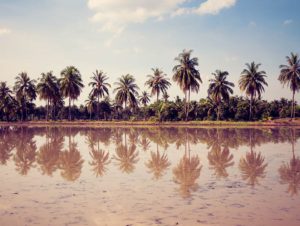




05 Nov Protecting Our Coastal Communities from Climate Change
Coastal communities across Tonga are increasingly exposed to the effects of climate change. Rising sea levels, coastal erosion and storm surges are placing pressure on homes, infrastructure, agricultural land and natural resources along the shoreline.
For many rural communities, the coastline supports daily livelihoods through fishing, agriculture and access to marine resources. Changes to these environments can therefore have consequences for household income, food security and the availability of land for future generations.
Understanding the risks
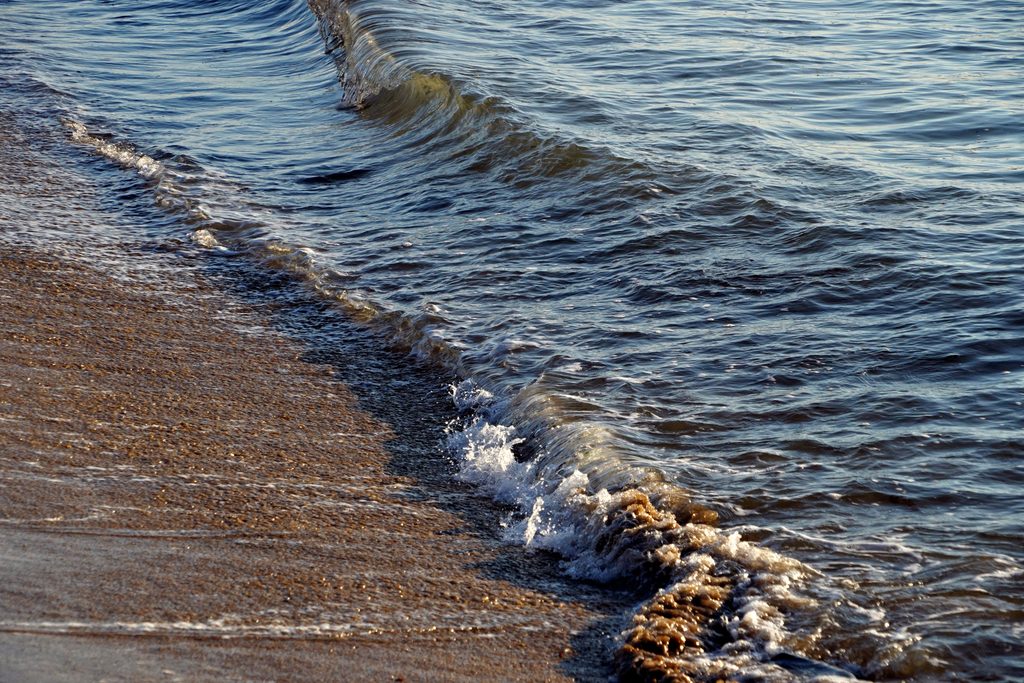
Coastal erosion occurs when waves and currents remove sand and other materials from the shoreline. While erosion is a natural process, rising sea levels and extreme weather events can increase the pressure on already vulnerable coastal areas.
Storm surges can push seawater further inland, damaging homes, roads and agricultural land. Saltwater intrusion can also affect freshwater resources and reduce the suitability of land for growing crops.
The extent of these impacts varies between locations. Coastal geography, vegetation, land use and the condition of surrounding ecosystems all influence how exposed a community may be.
What can communities do?
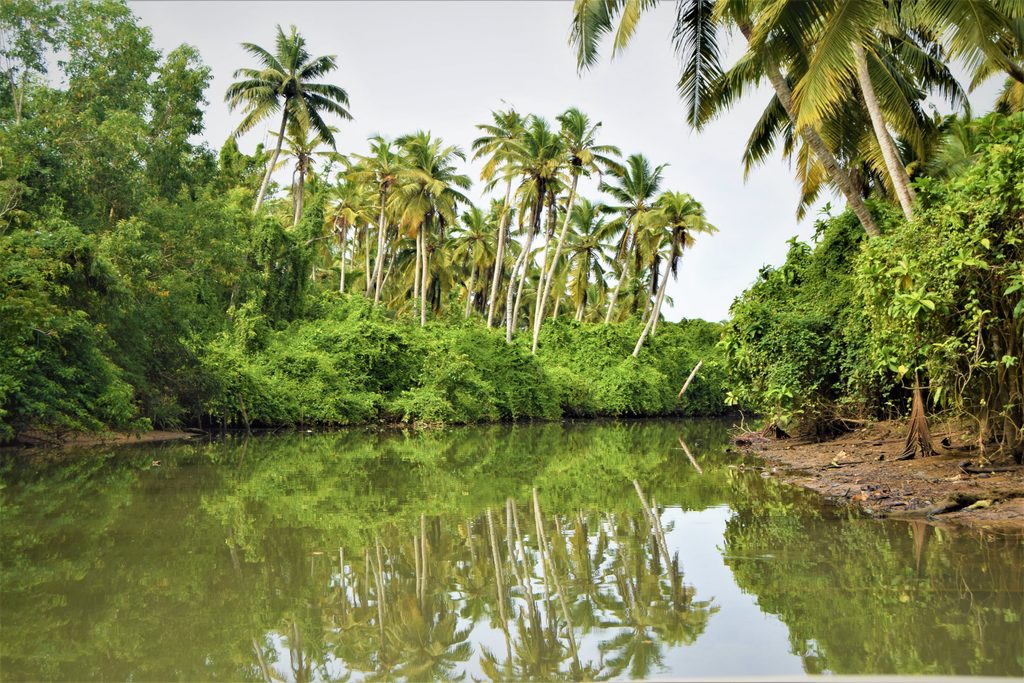
Protecting coastal areas requires a combination of environmental management, informed planning and community participation.
Protect existing coastal vegetation. Mangroves and other coastal plants help stabilise shorelines by reducing wave energy and holding sediment in place. Protecting existing vegetation and restoring degraded areas, where suitable, can help maintain these natural coastal defences.
Manage activities along the shoreline. Sand extraction, removal of coastal vegetation and inappropriate waste disposal can contribute to environmental degradation. Communities can work with local authorities to monitor these activities and protect sensitive coastal areas.
Consider coastal risks in land-use planning. New homes, roads and community infrastructure should take account of areas exposed to erosion and coastal flooding. Identifying vulnerable locations before development takes place can reduce future damage and avoid costly repairs.
Include coastal protection in community development plans. Communities can document areas experiencing erosion or flooding, identify important natural resources and establish priorities for environmental protection. This information can support discussions with government agencies and development partners about appropriate adaptation measures.
Planning for the future
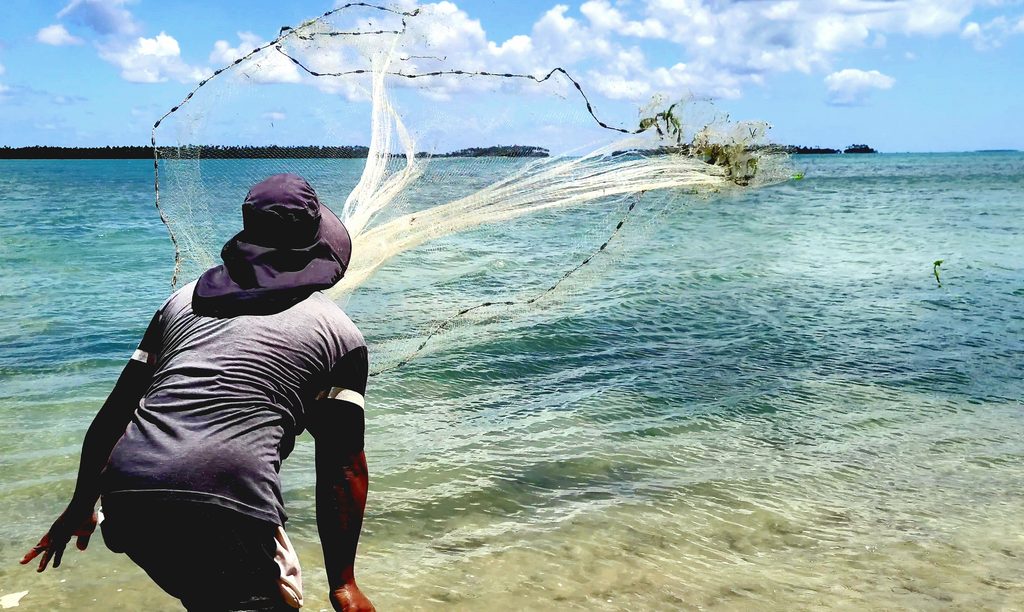
There is no single solution to coastal erosion and sea-level rise. Depending on local conditions, responses may include restoring natural vegetation, improving drainage, managing development in exposed areas or, where necessary, considering engineered coastal protection.
These measures require appropriate technical assessment to ensure they are suitable for the location and do not transfer erosion or flooding problems to neighbouring areas.
For Tonga, protecting coastal environments is an important part of long-term climate adaptation. Government agencies, communities and development partners each have a role in identifying risks and managing the changes affecting coastal areas.
Understanding how coastlines are changing and incorporating this information into community planning will help inform decisions about where and how future development should take place.
Sorry, the comment form is closed at this time.