





17 Nov Young People as Climate Leaders: Turning Awareness into Community Action
Young people across Tonga are growing up in communities already experiencing the effects of climate change. Coastal erosion, saltwater intrusion, changing rainfall patterns, prolonged dry periods and damage from tropical cyclones are affecting the natural resources and livelihoods that many Tongan families depend on.
These changes have implications for young people, particularly those in rural and outer-island communities where agriculture, fishing and other natural resource-based activities support household incomes and food security. At the same time, migration and limited employment opportunities can make it difficult for young people to remain economically active in their home communities.
Young people have an important role in addressing these challenges. Their involvement in climate adaptation can bring new skills, perspectives and approaches to environmental management while strengthening the connection between traditional knowledge and emerging climate solutions.
Where can young people make a difference?
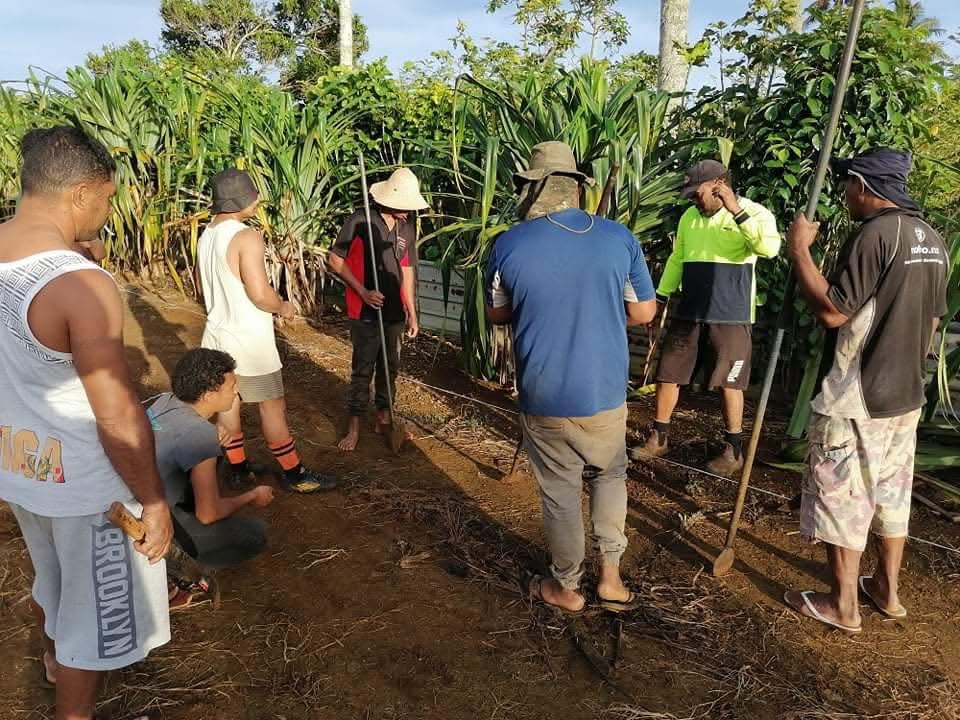
Climate action does not always require large investments or complex projects. Young people can contribute through practical activities that respond to environmental challenges in their own communities.
Supporting climate-resilient agriculture. Home gardens and small-scale farming are important sources of food for many Tongan households. Young people can support composting, soil conservation, agroforestry and crop diversification while learning how changing rainfall and soil conditions affect food production.
Protecting coastal and marine environments. Communities across Tongatapu, Ha’apai, Vava’u and the outer islands depend on healthy coastal ecosystems. Youth groups can participate in coastal vegetation restoration, mangrove protection, community clean-ups and activities that promote the sustainable use of marine resources.
Improving waste management. Improper waste disposal can contribute to coastal and marine pollution, block drainage systems and damage local environments. Young people can support waste reduction, recycling, community clean-up activities and environmental awareness programmes in schools and villages.
Developing green skills. Climate action also creates opportunities for young people to develop skills in renewable energy, solar system maintenance, energy efficiency and sustainable resource management. These skills can support future employment while addressing practical needs in rural communities.
Including young people in community decisions
Young people’s contributions are most effective when they are involved in decisions about the activities affecting their communities. Participation should extend beyond attending awareness programmes or volunteering in environmental activities.
Village councils, Town Officers and community development committees can create opportunities for youth representatives to contribute to Community Development Plans, identify local environmental concerns and participate in selecting and implementing adaptation priorities.
There is also value in bringing young people together with older generations. Elders hold knowledge about traditional farming practices, local ecosystems and environmental changes observed over time. Combining this knowledge with climate information and new technical skills can help communities make more informed decisions.
Investing in youth leadership
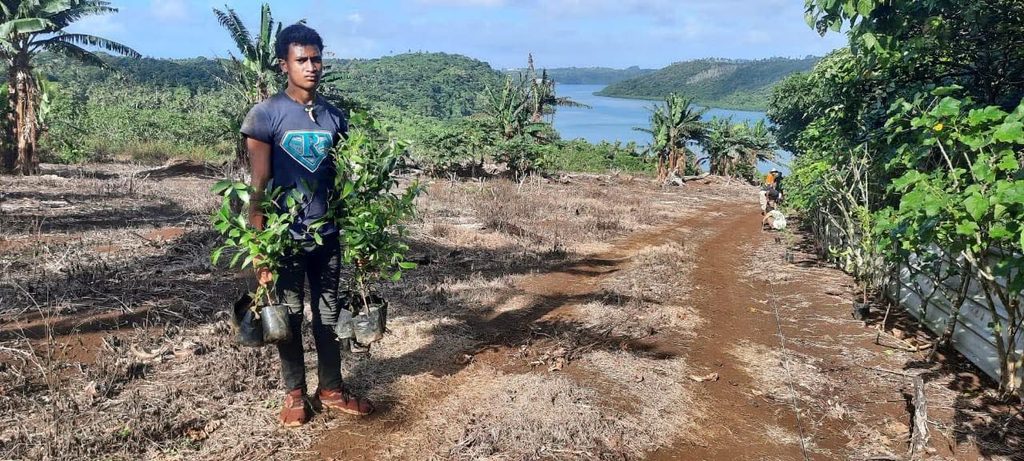
Tonga’s climate commitments increasingly recognise the importance of youth participation, climate education and developing skills for emerging green industries. The country’s Third Nationally Determined Contribution identifies young people as important agents of climate action and highlights opportunities for leadership, training and employment in areas such as renewable energy and waste management. <Cite refs={[“turn329689search12”]}/>
Translating these commitments into action requires continued investment in youth education, practical training and opportunities to lead community initiatives.
For rural Tonga, supporting young people to participate in climate adaptation is also an investment in the future of local livelihoods, environmental management and community development. Young people have knowledge, skills and perspectives that can contribute to addressing today’s challenges.
Their role in climate action should begin now, with meaningful opportunities to shape the decisions that will influence the future of their communities.
Sorry, the comment form is closed at this time.