
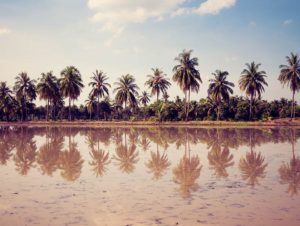




08 Apr Beginners guide to cultivating ginger.
1. Why Grow Ginger?
Ginger is a high-value crop in Tonga with strong local demand and export potential. It grows well in Tonga’s tropical climate and can provide good income for smallholder farmers. Some may find it tedious to grow due to growth time but they make the perfect choice to intercrop amongst other crops in your garden. Plant and walk away and return to a lush garden of rhizomes in a matter of months!

2. Understanding Ginger
- Ginger is grown from rhizomes (underground stems), not seeds
- It takes about 8–10 months to mature
- Thrives in warm, humid climates—perfect for Tonga

3. Choosing the Right Site
✅ Soil
- Loose, well-drained soil (sandy loam is best)
- Rich in organic matter
- Avoid waterlogged areas (ginger rots easily)
✅ Location
- Partial shade is ideal (can grow under coconut trees or agroforestry systems)
- Protected from strong winds

4. Land Preparation
Simple steps:
- Clear weeds and debris
- Loosen soil to about 20–30 cm deep
- Make raised beds (about 20–30 cm high) to improve drainage
- Mix in compost, manure, or rotted leaves
👉 Tip: In Tonga, using organic materials like coconut husk and compost improves soil fertility.

5. Planting Ginger
Selecting Planting Material
- Choose healthy, disease-free rhizomes
- Each piece should have 2–3 “eyes” (buds)
Planting Steps
- Cut rhizomes into pieces (if large)
- Dry in shade for 1–2 days before planting
- Plant 5–10 cm deep
- Space:
- 20–30 cm between plants
- 30–40 cm between rows

6. Mulching (Very Important!)
Cover soil with:
- Dry grass
- Banana leaves
- Coconut leaves
✅ Benefits:
- Keeps soil moist
- Reduces weeds
- Improves soil fertility
7. Watering
- Keep soil moist but not waterlogged
- Water regularly during dry periods
- Reduce watering as harvest approaches

8. Weeding and Maintenance
- Weed regularly (especially early growth stage)
- Avoid damaging roots
- Add more mulch as plants grow
9. Fertilising (Low-cost options)
Use locally available materials:
- Compost
- Animal manure (chicken, pig)
- Green leaves (mulched into soil)
👉 Apply every 4–6 weeks for better yield
10. Pest and Disease Management
Common Problems in Tonga:
- Root rot (from too much water)
- Nematodes (soil pests)
Prevention:
- Use clean planting material
- Practice crop rotation (don’t plant ginger in same spot every year)
- Ensure good drainage

11. Harvesting
⏳ Ginger is ready in:
- 8–10 months (mature ginger)
- 5–6 months (young ginger, for fresh markets)
Signs it’s ready:
- Leaves turn yellow and start drying
Harvest Steps:
- Loosen soil carefully
- Lift rhizomes without damaging them
- Shake off soil

12. Post-Harvest Handling
- Wash gently
- Dry in shade
- Store in cool, dry place
👉 For selling: clean, uniform ginger gets better prices
13. Simple Tips for Success
- Start small and expand gradually
- Use organic matter—healthy soil = healthy crops
- Avoid planting in flood-prone areas
- Work with other farmers to share knowledge and planting material

14. Opportunities for Tongan Farmers
- Local markets (fresh produce)
- Value-added products (powder, dried ginger)
- Export potential (if quality standards are met)
Sorry, the comment form is closed at this time.